
Ground-Floor Additions in Fairfield County, Litchfield County & Northern Westchester
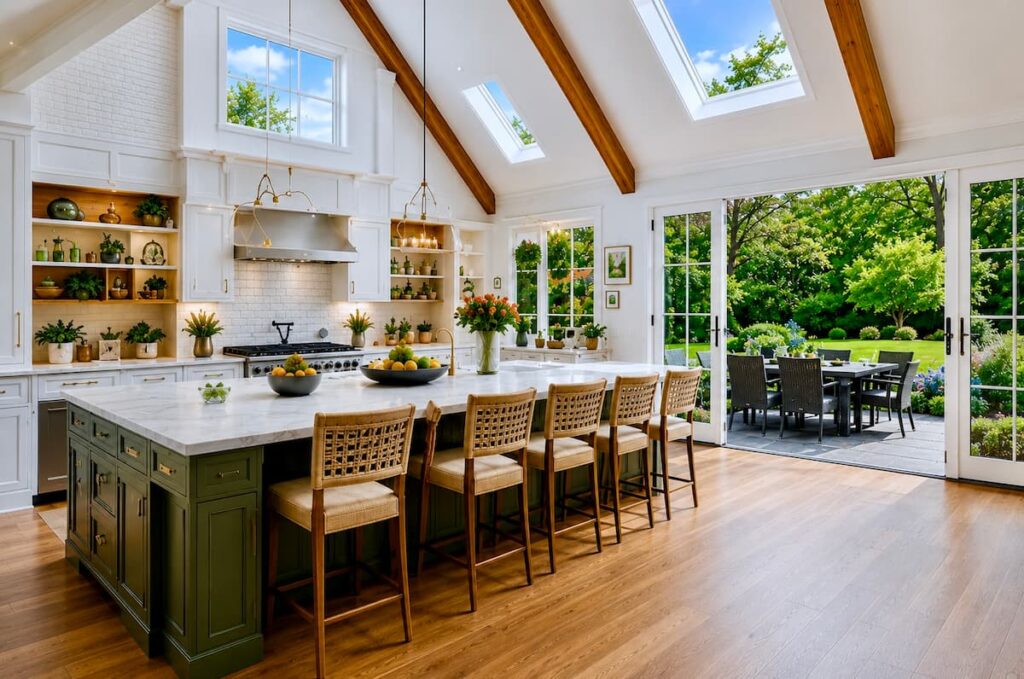
A ground-floor addition is the answer when the main level is the problem. The kitchen and family room are too tight, too closed off, and too cut off from the outside. You don't need more bedrooms upstairs. You need the rooms where life happens to be bigger, brighter, and connected — to each other and to the yard.
From Ridgefield and Wilton to New Canaan, Westport, Fairfield, Washington, Kent, Bedford, and Pound Ridge, we help homeowners across Fairfield County, Litchfield County, and Northern Westchester open up their main floor and build the great room their house never had.
Many of our ground-floor projects come through architects and designers we already work with locally. For others, we handle design and construction in-house. However your project comes together, we'll help you get it done right.
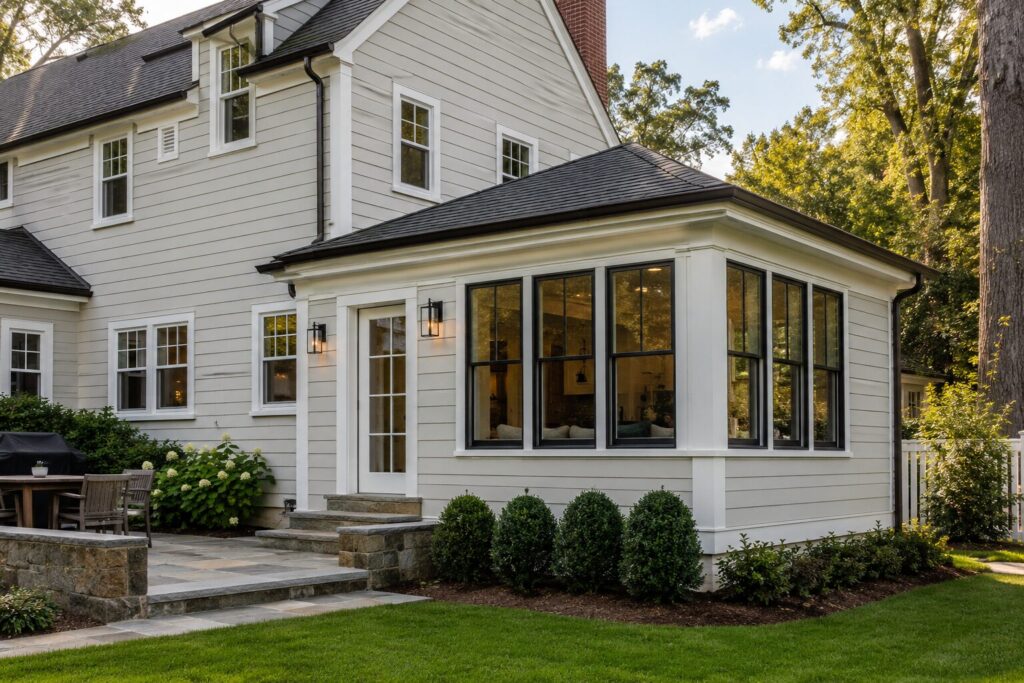
When the Rooms You Actually Live In Are Too Small
A ground-floor addition extends the main level of the house outward — usually to enlarge the kitchen, the family room, or both, and to open them up to each other and to the outside. It's the addition people reach for when the bedrooms are fine but the living happens in rooms that feel cramped.
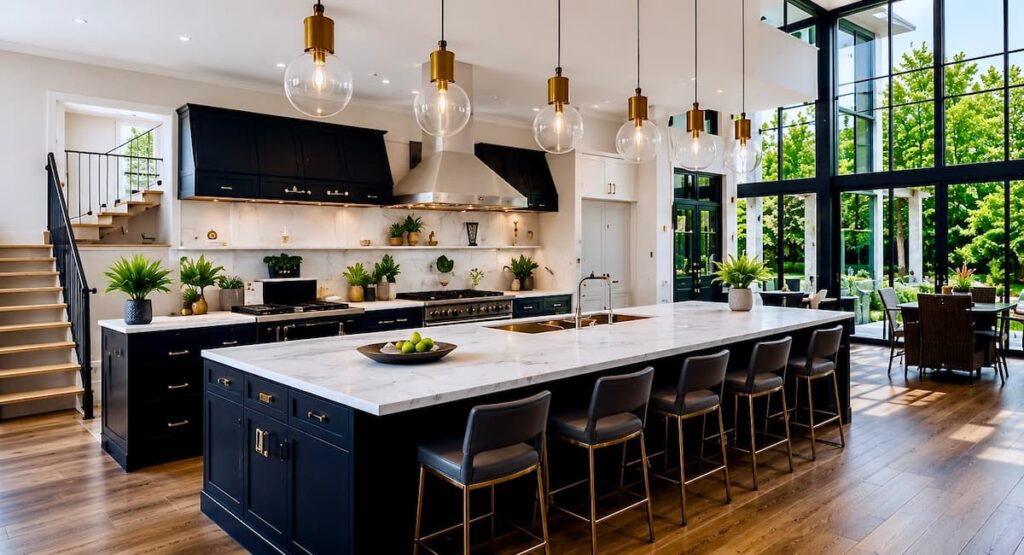
- A floor plan that's chopped up. A 1980s layout with a closed kitchen, a separate family room, and walls in all the places a family now wants open. The house has the square footage somewhere — just not where people gather.
- A kitchen and family room that can't hold the family. Holidays where half the guests stand in the hall. A kitchen that fits one cook. A family room that was sized for a smaller household.
- No connection to the outside. A back wall full of small windows and a single door, when what you want is light, glass, and a real transition to the patio and the yard.
The trigger is usually entertaining, or a family that has simply outgrown the way the house was laid out and wants one true great room instead of three tight ones.
A Brief History of the Great Room
The open main floor is younger than most of the houses we put it in.
For most of American history, the ground floor was a set of separate rooms with separate jobs. A kitchen closed off from the rest of the house — often deliberately, to keep heat, smell, and the work of cooking out of sight. A formal dining room. A parlor. Walls everywhere.
The “great room” — kitchen, eating, and living flowing into one open space — is largely a late-twentieth-century idea, and it didn't fully take over until the 1990s and 2000s. Which means almost every house built before then was laid out for a different way of living. The kitchen faces a wall. The family room is its own box. The back of the house turns away from the yard instead of opening to it.
That's the gap the ground-floor addition closes. The homes we work on — older colonials, capes, antique farmhouses, and the split-levels and center-hall colonials of the 1970s and 1980s — were built room by room. We open them up and push them outward, so the main floor matches how the family actually uses it.
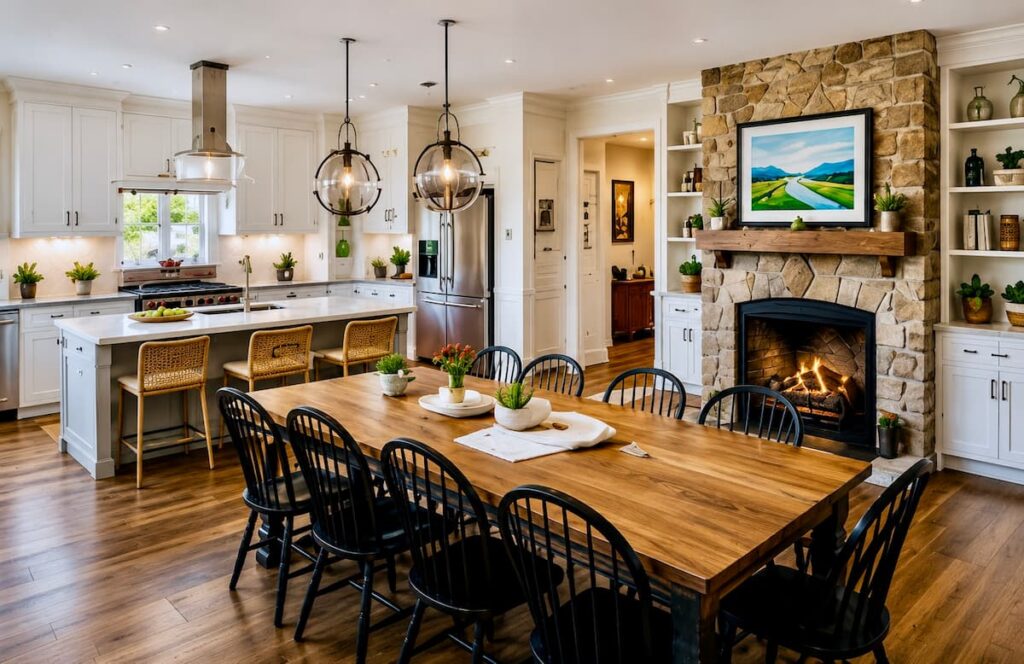
Ground-Floor Additions in Litchfield County
Litchfield County is where ground-floor additions are easiest to imagine and hardest to site.
The land is generous. The properties we work on in Washington, Kent, New Milford, Roxbury, Sharon, Litchfield, and Woodbury usually have plenty of room to push the main floor outward. Spatially, the addition is no problem. The constraints are underground and out back.
Wetlands, septic fields, and well placement are what actually govern where you can build. A ground-floor addition extends the footprint, and that footprint can't land on a septic field, crowd a well, or push into a wetland buffer. On a rural lot, the buildable direction is often decided by where the leach field and the well already sit, not by where you'd most like the room to go. We map all of it before design so the addition lands where the property allows.
Then there's the house itself. Many of these are antiques, and their owners are right to worry about matching old materials. Hand-planed siding, period trim profiles, old window proportions, real divided lights — getting a new wall to read as original takes sourcing and craft, not just a color match. That's a large part of what we do on these projects, and we'll talk through it honestly before you commit.
Ground-Floor Additions in Fairfield County
Fairfield County is the opposite constraint. The lots are tighter, and the rules decide how far out you can go.
In Westport, Greenwich, Darien, New Canaan, Fairfield, Norwalk, and parts of Wilton and Ridgefield, lot coverage limits and setbacks govern a ground-floor addition more than anything else. Because the addition lands at grade and extends the footprint, every square foot counts against your coverage, and the setback lines define the edges you can't cross. On a tight lot, the question isn't whether you can have a great room — it's how deep the addition can go before it runs into the line.
That math is worth running first. Sometimes the lot allows exactly the addition you want. Sometimes it allows most of it, and a small design adjustment keeps the project by-right instead of pushing it into a variance. We've spent enough time in front of these building departments to plan the addition around each town's coverage and setback rules from the start.
Where wetlands or steep slopes are in play — and in parts of Fairfield County they are — those shape the design too. We factor them in early rather than discovering them late.
Ground-Floor Additions in Northern Westchester
Across the state line in Northern Westchester — Bedford, Pound Ridge, North Salem, Lewisboro, South Salem, Katonah, and Cross River — you get Litchfield County's land and Fairfield County's rules, with an extra layer of environmental review on top.
Lot coverage and setbacks apply here as they do in Fairfield County. But these towns are known for environmental ordinances that genuinely shape the design of a ground-floor addition. Wetland buffers in Pound Ridge and Bedford can put a hard limit on which direction the footprint can grow. Steep-slope rules in the harder terrain — and across the Litchfield Hills on the Connecticut side — can rule out the side of the house you'd most want to build off of. Tree protection adds another consideration.
The result is that on these properties, the buildable area is often smaller and more specific than the lot suggests. A ground-floor addition has to be designed around the wetland line, the slope, and the coverage limit at the same time. We've worked in front of these boards, and we plan the addition inside the real envelope, not the one the property looks like it has.
Connecting New Space to Old

The hardest part of a ground-floor addition isn't building the new room. It's making it feel like it was always there.
- Inside, that means the structure. To open a kitchen and family room into one great room, the wall between the old house and the new space usually has to come out, which means a beam carrying the load that wall used to carry. We work this out with a structural engineer up front, so the open span is real and the transition between old and new floors, ceilings, and trim is seamless rather than stepped.
- Outside, it means the seam. A ground-floor addition creates a visible joint where new construction meets the existing house — and on the main floor, at eye level, that seam is the thing people notice. Matching it is its own craft. Siding has to align and weather to match. Rooflines have to tie in cleanly. Window proportions and trim profiles on the new wall have to match the old ones, not just approximate them. On an antique home, that can mean sourcing or milling materials to match what's there.
The standard is simple: from the outside, you shouldn't be able to tell where the old house ends and the addition begins. We design and build to that standard, and we're candid early about what matching your specific house will take.
Excavation, Foundation, and Your Yard
A ground-floor addition is built on a new foundation, and that means real site work. This is the part homeowners most want to understand before they start.
A ground-floor addition typically needs footings below the frost line and a full foundation — a frost wall or a poured foundation, depending on whether there's a basement or crawlspace below the new room. That requires excavation, and excavation requires access for equipment.
For a stretch of the project, the area around the addition becomes a work site. There's a dig, a staging area for materials, and equipment moving in and out. Landscaping in the immediate work zone takes the hit, and we plan for restoring it afterward. We talk through access, staging, and protection of the rest of the yard before work starts, so there are no surprises about what the property looks like mid-project.
Before any of that, we confirm what's beneath and around the build area — septic field, well, utilities, wetland lines, ledge. On the rural lots in Litchfield County and Northern Westchester especially, what's underground often decides where the addition can go at all.
It's more invasive than a bump-out and less invasive than a second story. We'll give you a clear picture of the site work for your specific lot before you commit.
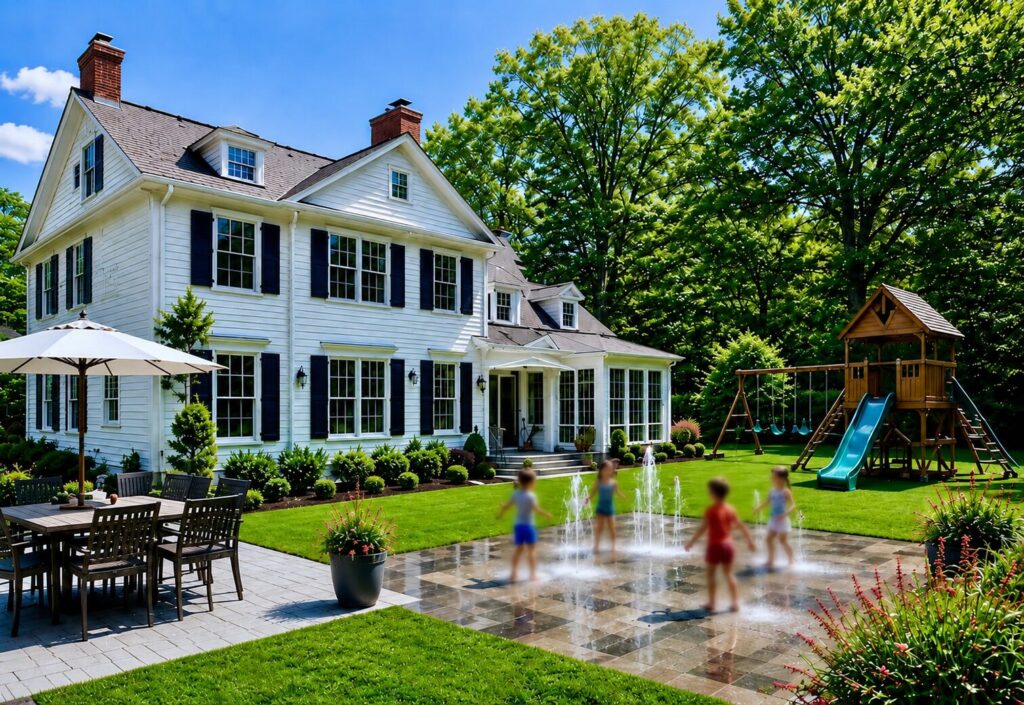
More than a small addition, less than a whole-house renovation, and concentrated where the work is.
The new room gets built largely as its own structure before it's opened into the house, which keeps much of the disruption outside the living space for a good part of the project. The hardest stretch is the tie-in — when the wall between old and new comes out and the two become one. That phase is loud, dusty, and felt throughout the main floor.
Most families stay in the house through a ground-floor addition. The kitchen is often the exception: if the addition reworks the kitchen, there's usually a stretch without a fully functioning one, and we plan a temporary setup for it. The bedrooms and the rest of the house stay livable.
Timelines run longer than a bump-out and shorter than a major whole-house project. We give you a real schedule once the design and the site work are defined.
A Community-Driven Approach to Ground-Floor Additions
Rowe Construction is based here. Our founder, Connor Rowe, grew up in Ridgefield. The company was built to serve homeowners across Fairfield County, Litchfield County, and Northern Westchester.
For a ground-floor addition, local context shapes everything from where the addition can go to how the seam gets built. We know how Fairfield County towns read lot coverage and setbacks. We know how Pound Ridge and Bedford handle wetland buffers and slopes. We know where the antique homes in Washington and Litchfield need matched materials, and we know who to call to source them.
- Direct communication. You know where things stand.
- A focused workload. We take on a limited number of projects.
- Full-service coordination. Planning, permitting, engineering, and construction handled as one process.
Permitting, Zoning, and Setbacks for Ground-Floor Additions
A ground-floor addition extends the footprint at grade, which puts it directly up against a property's coverage and setback rules — and, in much of our region, its wetland and slope rules too.
Because the addition adds to the footprint, lot coverage limits and setbacks tend to govern the project, especially in Fairfield County and Northern Westchester. Wetland buffers and steep-slope ordinances in Pound Ridge, Bedford, and across the Litchfield Hills can shape the design as much as the zoning does. On rural lots, septic and well placement add a practical constraint on top of the regulatory one. We map all of this before drawings start.
We handle the coordination with local building departments, zoning boards, and where required, wetlands agencies and health departments, along with the architects and engineers whose work the town needs to see. The goal is to move the project forward without delays or surprises.
Thinking About a Ground-Floor Addition?
Most people don't start with a full plan. They start with a feeling that the main floor doesn't work — that the kitchen and family room are too tight, too closed, and too far from the yard.
We walk the home, look at how you actually use the main floor, and check the addition against your lot's coverage, setbacks, wetlands, septic, and well situation. Then we tell you what's possible — how far out you can go, how the new space connects to the old, and what the site work means for your yard. Sometimes the answer is a full great-room addition. Sometimes a smaller extension plus an interior wall change gets you most of the way there. We'll tell you that too.
Frequently Asked Questions About Ground-Floor Additions
-
How does a ground-floor addition connect to the existing house?
Inside, opening the new space into the old usually means removing the wall between them and carrying that load on a beam, which we engineer up front so the great room is truly open and the floors, ceilings, and trim transition seamlessly. Outside, the new construction meets the existing house at a seam that we design and build to disappear.
-
Will the addition match the exterior of my house?
That's the standard — from outside, you shouldn't be able to tell where the original house ends and the addition begins. Siding, rooflines, window proportions, and trim profiles on the new wall need to match the old ones. On an antique home, that can mean sourcing or milling materials to match what's there, and we're candid early about what your specific house will require.
-
What does excavation and foundation work mean for my yard?
A ground-floor addition needs footings below the frost line and a full foundation, which requires excavation and equipment access. For part of the project, the area around the addition becomes a work site with a dig and a staging area, and landscaping in that zone takes the hit. We plan access, staging, and restoration before work starts.
-
How disruptive is a ground-floor addition?
It's more involved than a bump-out and less than a whole-house renovation. Much of the new room is built before it's opened into the house. The loudest phase is the tie-in, when old and new become one. Most families stay in the house throughout, though a kitchen-focused addition usually means a stretch without a full kitchen.
-
Can I build a ground-floor addition on a rural lot with a septic system and a well?
Often yes, but the septic field and well placement usually decide which direction the addition can go. The new footprint can't land on a leach field, crowd a well, or push into a wetland buffer. On Litchfield County and Northern Westchester lots especially, we confirm what's underground before settling the design.
-
How long does a ground-floor addition take to build?
Longer than a bump-out and shorter than a major whole-house project. Permitting, design, and site work come first, and the build timeline depends on the size of the addition and how much of the existing house it reworks.
-
Do I need a permit for a ground-floor addition?
Yes. Ground-floor additions require building permits in every town we work in across Fairfield County, Litchfield County, and Northern Westchester, and most require zoning review for coverage and setbacks. Many also require wetlands or health department review. We handle that process.
Ready to Expand What Your Home Can Do?
We take on a limited number of projects each year. The conversation costs nothing, and it begins with a single phone call.