
Detached Structures & ADUs in Fairfield County, Litchfield County & Northern Westchester
We design and build detached structures — home offices, studios, pool houses, guest cottages, and ADUs — that give you real separation from the main house.
A detached structure is the answer when the space you need doesn't belong inside the house at all. A home office where work stops at a closed door. A studio with its own light and its own hours. A pool house that serves the yard, not the hallway. A guest cottage or rental ADU that stands on its own.
From Ridgefield and Wilton to New Canaan, Westport, Fairfield, Washington, Kent, Bedford, and Pound Ridge, we help homeowners across Fairfield County, Litchfield County, and Northern Westchester add a second building that works with the property instead of crowding the house.
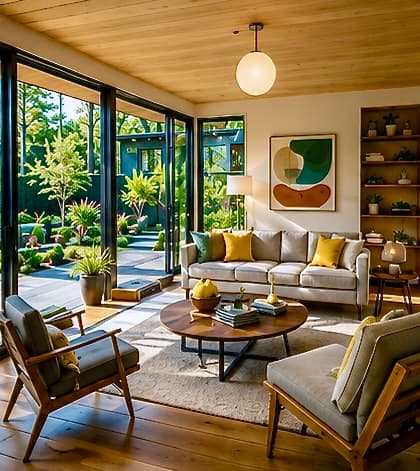
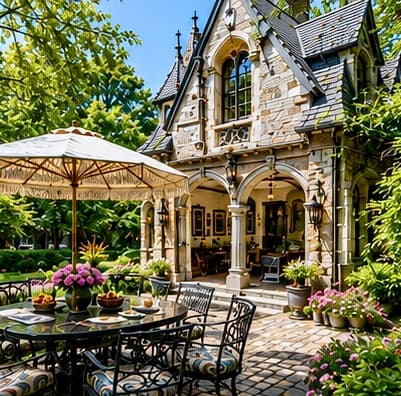
Detached Structures & ADUs in Fairfield County, Litchfield County & Northern Westchester
A detached structure is a separate, freestanding building on the same lot as your home. It can be a few hundred square feet or a full second dwelling. What it isn't is an extension of the house. The whole point is the gap between the two buildings.
Most clients come to us for one of a few reasons.
- Remote work that needs a real door. A home office in a spare bedroom stops working the day the rest of the house gets loud. A detached office is a commute of forty feet and a clean line between work and home.
- A new pool that needs a building to match it. Changing, storage, a bathroom, somewhere to sit out of the sun. A pool house turns a pool from a feature into a place you actually use.
- A studio. Art, music, a workshop, a yoga space. Something that needs its own square footage, its own light, and freedom from the schedule of the main house.
- Guest space or rental income. A guest cottage for family who visit often, or a legal, rentable ADU — an accessory dwelling unit — that brings in income or houses a parent or an adult child without putting them down the hall.
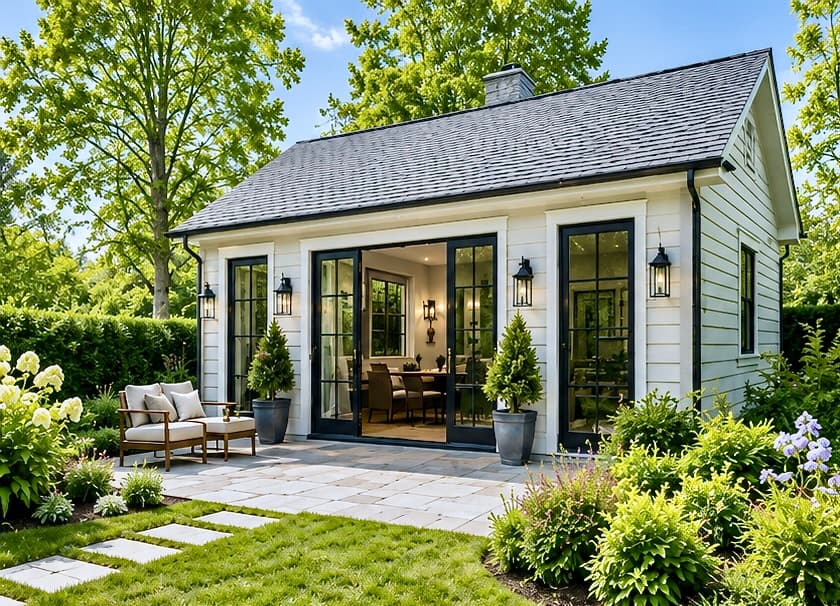
The trigger is almost always a change in how the household lives. The house didn't shrink. The life inside it grew.
The detached outbuilding is older than the suburb. Carriage houses, summer kitchens, ice houses, and barns were standard on American properties long before the attached two-car garage became the default.
What changed is the use. The carriage house became a garage, then a studio, then an apartment. The barn became a workshop or a guest house. The idea that a property is one building is relatively recent, and it never fully took hold on the kinds of lots we work on.
That history matters here, because the homes we work on still sit on land that was meant to hold more than one structure. Antique farmhouses came with outbuildings. Estate lots were laid out with carriage houses and cottages in mind. The detached structure isn't a modern imposition on these properties. In a lot of cases, it's a return to how they were originally used.
The accessory dwelling unit is the newest chapter. Connecticut and New York have both spent the last few years rewriting the rules on second dwellings, and the result is a patchwork that changes from town to town. We'll get to that.
Fairfield County is where second dwellings get complicated.
The towns here — Westport, Greenwich, Darien, New Canaan, Fairfield, Norwalk, and parts of Wilton and Ridgefield — tend to be stricter than their neighbors on lot coverage, second dwellings, and what counts as a separate residence. A detached structure has its own footprint, and on a tight lot that footprint competes with everything else: the house, the driveway, the setbacks.
ADUs are the sharpest example. Connecticut passed a statewide ADU law in 2021 that allowed accessory dwelling units as of right, but it let towns opt out, and many Fairfield County towns did exactly that. Most of the ones that opted out wrote their own rules instead of banning ADUs outright. The result is that whether you can build a rentable second dwelling — and how big, and whether you can rent it to a non-relative — depends entirely on which town you're in.
That's not a question to guess at. We map your lot against the current local rules before any design starts, so you know what kind of structure the town will actually allow before you've spent anything on drawings.
Litchfield County is the opposite problem. Here, the land is on your side.
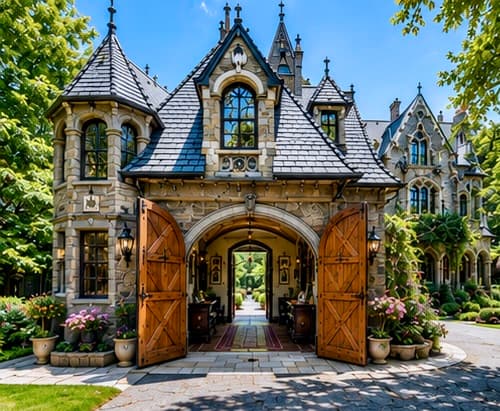
The properties we work on in Washington, Kent, New Milford, Roxbury, Sharon, Litchfield, and Woodbury tend to be larger and more rural. There's room for a second building, and the look of a detached structure fits the place. A studio or a cottage set back from an antique colonial reads as if it belongs, because on a lot like this, it does.
The gating factors out here aren't usually setbacks. They're wetlands and septic. A separate dwelling needs water and waste, and on a rural lot that almost always means a well and a septic system. The question becomes whether your existing septic has the capacity to take on a second dwelling, or whether the project needs a new or expanded system — and whether the soil and the wetlands on the property will allow it.
That's an engineering question as much as a zoning one. We bring in the soil testing and septic design early, because on a Litchfield County lot, that's the answer that decides what's possible.
Across the state line in Northern Westchester — Bedford, Pound Ridge, North Salem, Lewisboro, South Salem, Katonah, and Cross River — the land looks like Litchfield County and the rules look like Fairfield County's, only tougher.
These towns have some of the most demanding environmental ordinances in the region. Wetland buffers, tree protection, steep-slope rules, and conservation requirements all narrow the buildable area, sometimes dramatically. Pound Ridge adopted New York's first local wetlands law decades ago and carries a 150-foot wetlands activity setback; a detached structure proposed anywhere near that line has to clear the town's water control commission first. Bedford limits how much of a lot's required area can sit under wetland at all.
Septic adds another layer. In these towns, a second dwelling's septic and water plans typically need Westchester County Department of Health sign-off before a building permit will issue. And each town runs its own ADU rules — Bedford, Pound Ridge, and North Salem all permit accessory apartments, but the conditions differ town to town.
Many of these properties look like they could hold anything. Then you map the wetlands, the slopes, and the septic capacity, and the real buildable area is a fraction of the lot. We've worked in front of these boards before. We plan detached structures around the actual envelope, not the one on the survey.
A detached structure is a real building, and it needs real systems. This is where most of the engineering lives.
Foundation.
The right foundation depends on the building and the ground under it. A simple studio or pool house may sit on a slab or a frost-protected shallow foundation. A year-round structure with plumbing usually needs a full frost-wall foundation and footings below the frost line. We size this to the structure and the site, not to a default.
Power, water, and waste.
Getting utilities to a separate building is a project in itself. Power has to be run, usually trenched, from the main panel or a new service. Water and sewer or septic have to reach a structure that may sit a long way from the house. For a heated, plumbed building, that means insulated, freeze-protected lines and a clear plan for where the waste goes.
Septic capacity
This is the one that quietly decides feasibility, especially in Litchfield County and Northern Westchester. A second dwelling adds bedrooms, and bedrooms drive septic sizing. If the existing system can't take the load, the project includes a new or expanded system — and that's subject to soil testing and county health department approval. We confirm this before design, not after.
Non-habitable vs. full ADU
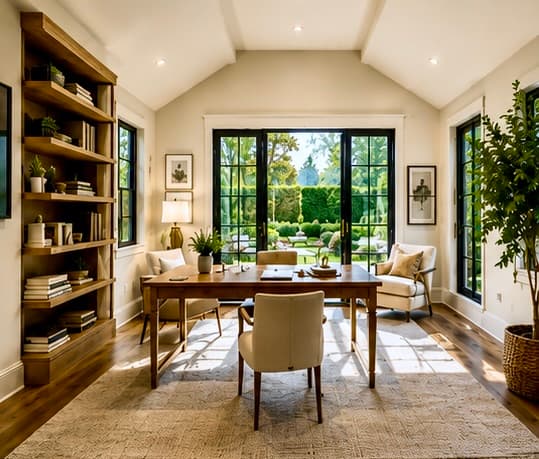
This is the question we get most about detached dwellings, and the honest answer is: it depends on your town.
In Connecticut, the 2021 state law made ADUs allowable as of right, but towns were allowed to opt out, and many of the towns we work in did. Opting out didn't ban ADUs in most cases — it let the town write its own rules. So whether you can build a second dwelling, how large it can be, and whether you can rent it to someone outside your family all come down to current local regulations.
In Northern Westchester, there's no statewide as-of-right rule. ADUs are governed town by town. Bedford, Pound Ridge, and North Salem all permit them, each under its own conditions, often including county health department approval for septic.
What we don't do is guess. Before you commit to a rentable ADU versus a guest cottage versus a non-habitable studio, we check your specific lot against the rules that actually apply to it. Sometimes a full rentable ADU is on the table. Sometimes the cleaner path is a guest cottage or an unconditioned studio. We'll tell you which, and why, before the design work begins.
Less than you'd think for the house, more than you'd think for the yard.
The advantage of a detached structure is that the work happens outside the house. You're not tearing into an existing room, and the main house usually stays fully livable through most of the project. There's no tie-in to the existing roofline or interior to coordinate around.
The trade-off is site work. A separate foundation, trenching for utilities, and any septic work mean equipment in the yard and a staging area for materials. The disruption is to the landscape and access, not to your kitchen.
Timelines vary widely with scope. A simple pool house or studio can run a couple of months of active construction. A full ADU with its own foundation, utilities, and septic is closer to a small house and runs longer. We give you a real schedule once we know which building we're actually putting up.
Rowe Construction is based here. Our founder, Connor Rowe, grew up in Ridgefield. The company was built to serve homeowners across Fairfield County, Litchfield County, and Northern Westchester.
For detached structures, local knowledge isn't a nicety — it's the project. The rules on second dwellings, wetlands, septic, and lot coverage are different in every town, and they're the rules that decide what you can build. We know which Fairfield County towns opted out of the state ADU law and what they put in its place. We know how Pound Ridge and Bedford read their wetland buffers. We know what the Litchfield County health departments want to see on a septic application.
Clients value:
Direct communication. You know where things stand. A focused workload. We take on a limited number of projects. Full-service coordination. Planning, permitting, engineering, and construction handled as one process.
Detached structures sit at the intersection of every land-use rule a property has. Zoning setbacks, lot coverage, second-dwelling regulations, wetlands buffers, steep-slope and tree ordinances, septic capacity, and in many towns, historic or floodplain review.
Because a detached building is a separate structure with its own footprint and its own systems, it triggers more of these rules than an addition does. A few feet of placement can be the difference between a buildable site and a variance. A second dwelling can change what the health department requires. A wetland line can move the whole building.
We handle the coordination with local building departments, zoning boards, wetlands and conservation agencies, and county health departments, plus the architects and engineers whose work the town needs to see. The aim is to surface the constraints first and design within them, so the project moves forward without delays or surprises.
Most people don't start with a full plan. They start with a sense that they need space the house can't give them, and a separate building feels like the answer.
That's enough.
We walk the property, talk through how you'd use the building, and check it against your lot's setbacks, coverage, wetlands, and septic situation. Then we tell you what's possible. Sometimes that's a rentable ADU. Sometimes it's a guest cottage or a studio. Sometimes the right answer is a different structure than the one you came in picturing. We'll tell you that too.
FAQs
FAQs Frequently Asked Questions About Detached Structures & ADUs
-
Can I legally build a rentable ADU in my town?
It depends on the town. Connecticut's 2021 state law allowed ADUs as of right, but many local towns opted out and wrote their own rules. In Northern Westchester, ADUs are governed town by town. Whether a second dwelling is allowed, how large it can be, and whether you can rent it to a non-relative all depend on your specific lot and current local regulations. We confirm this before any design work begins.
-
Do I need a permit for a detached structure in Connecticut or New York?
Yes. Detached structures require building permits in every town we work in across Fairfield County, Litchfield County, and Northern Westchester. Most also require zoning review, and dwellings often require wetlands and county health department approval. We handle that process.
-
How do utilities reach a detached building?
Power is typically trenched from the main panel or a new service. A heated, plumbed structure also needs water and waste lines run from the house, insulated and protected against freezing. A separate dwelling usually connects to sewer or to a septic system with enough capacity for the added load.
-
Will a detached structure need its own septic system?
Often, the bigger question is whether your existing septic can handle a second dwelling. If it can't, the project includes a new or expanded system, which is subject to soil testing and county health department approval. This is most common in Litchfield County and Northern Westchester, and we evaluate it early.
-
What kind of foundation does a detached structure need?
It depends on use. A simple studio or pool house may sit on a slab or a shallow frost-protected foundation. A year-round, plumbed building generally needs a full foundation with footings below the frost line. We size the foundation to the structure and the site.
-
How long does it take to build a detached structure?
It varies with scope. A simple pool house or studio can run a couple of months of active construction. A full ADU with its own foundation, utilities, and septic is closer to a small house and takes longer. Permitting and design add time before construction starts.
-
What's the difference between a guest cottage, a studio, and an ADU?
Mostly the systems and the legal status. A studio or pool house may be unconditioned and non-habitable. A guest cottage is built for occupancy but isn't necessarily a rentable dwelling. An ADU is a legal, independent dwelling unit that can be rented where local rules allow it. The right choice depends on how you'll use it and what your town permits, and it drives both cost and timeline.
-
Will the detached structure match the main house?
That's the standard. Rooflines, siding, window proportions, and trim should read as part of the same property, even on a separate building. On older and antique homes, that often means designing the structure to look like it could have always been there.
HERE ARE SOME ALTERNATIVE IDEAS FOR ADUs
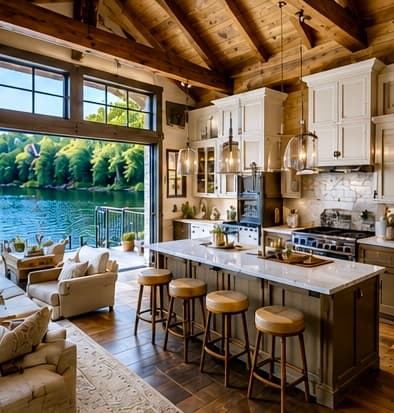
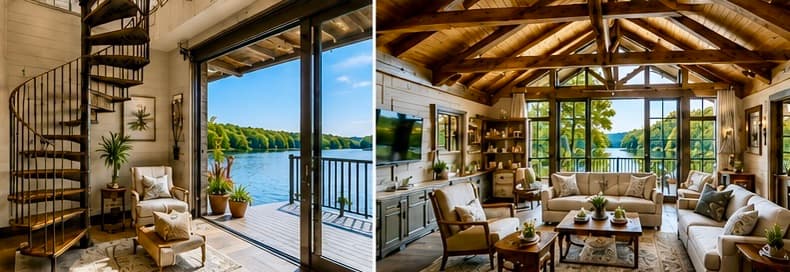
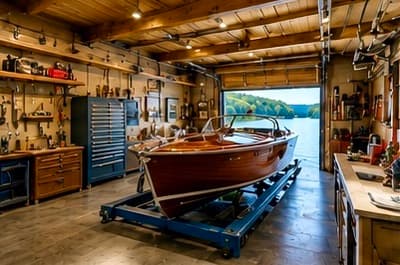
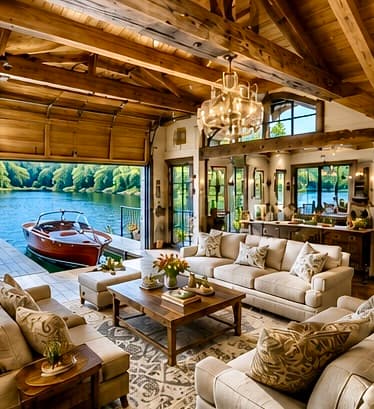
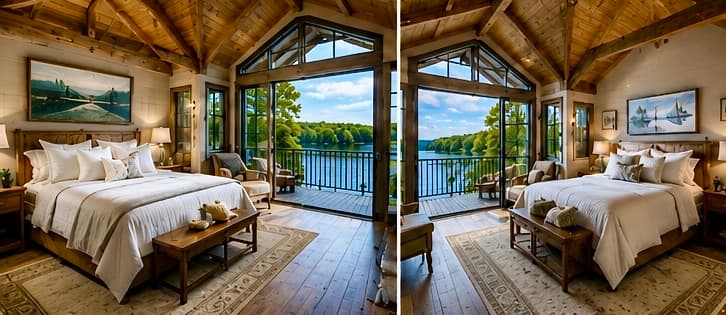
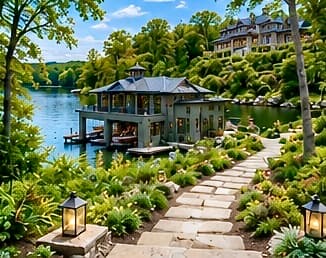
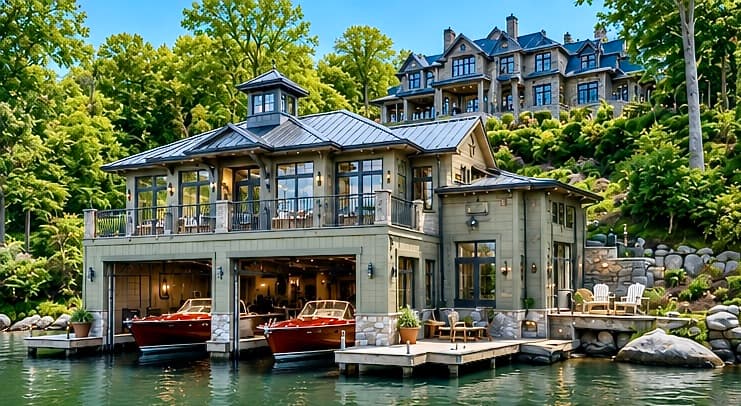
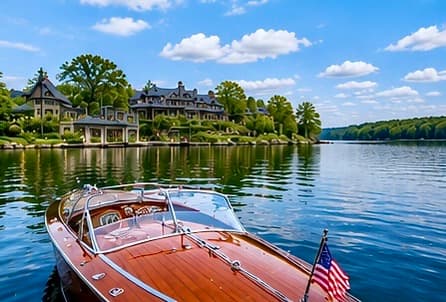
Boathouse
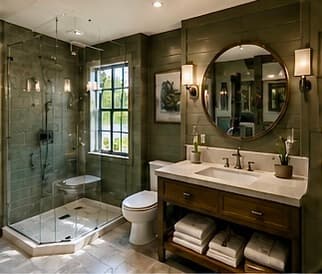
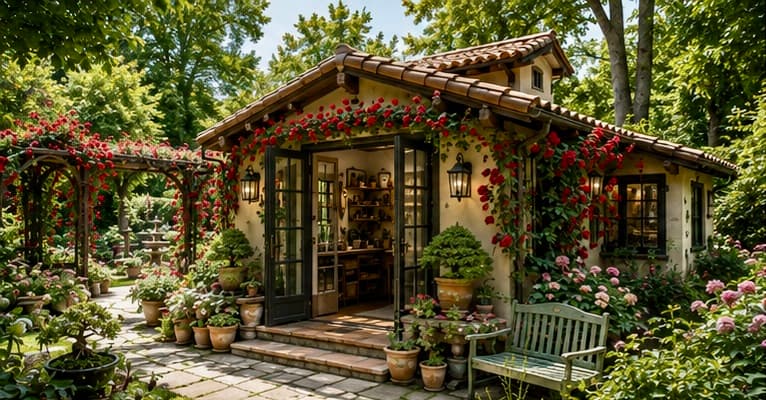
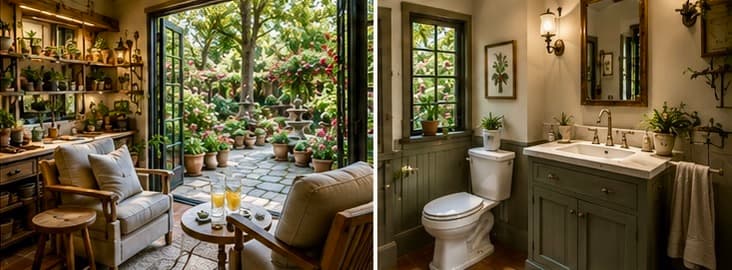
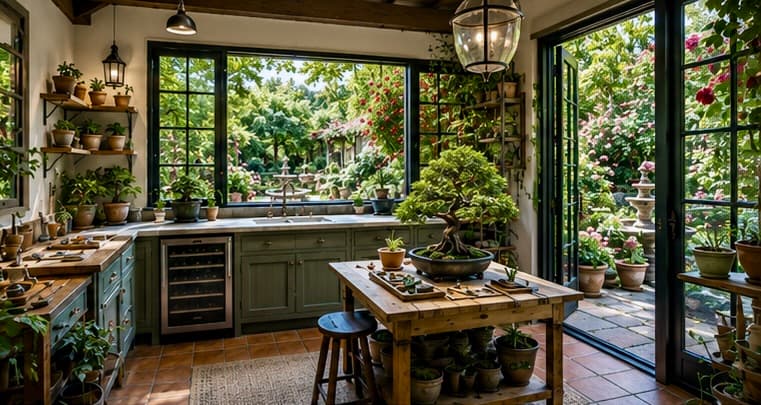
Garden Cottage

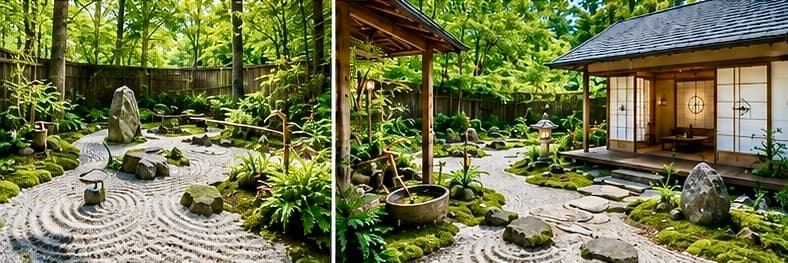
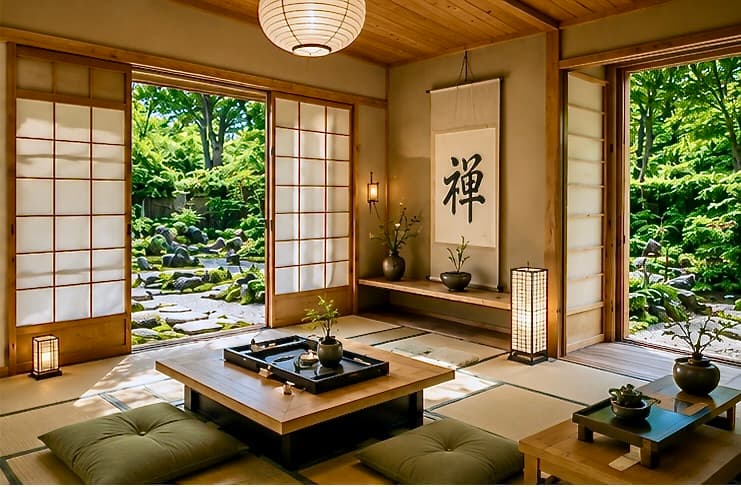
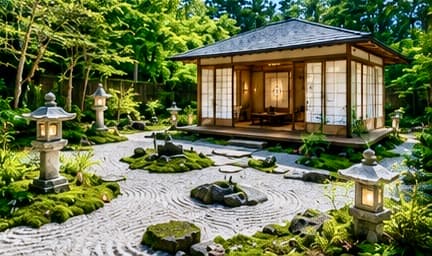
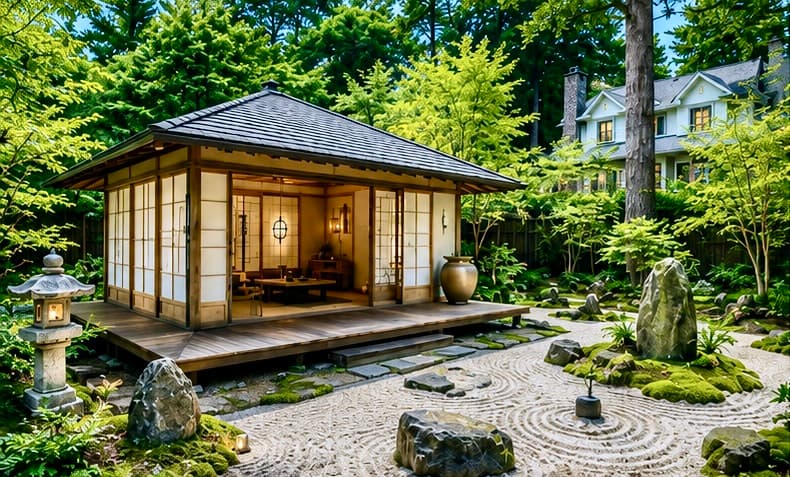
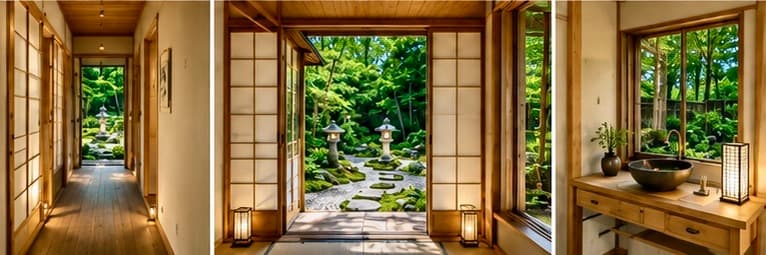
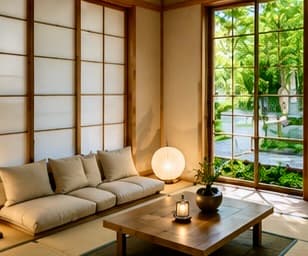
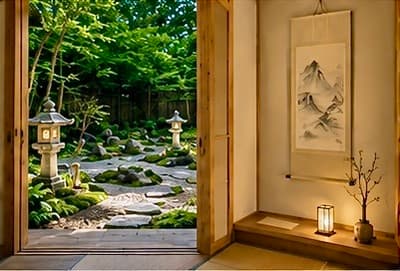
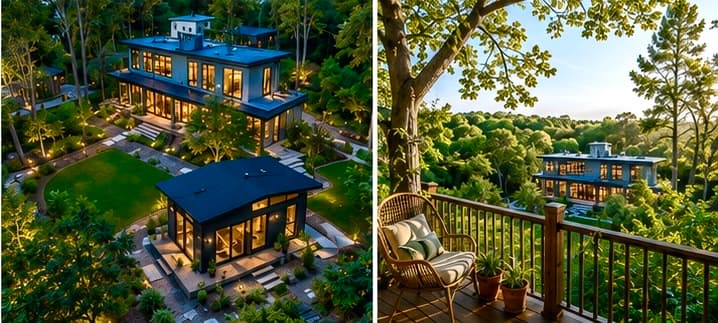
New England Zen House
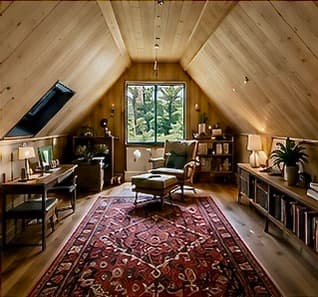
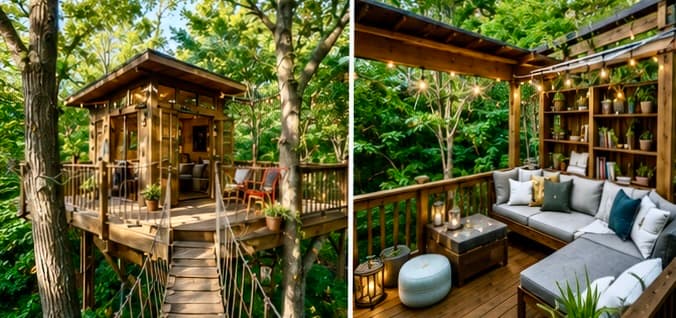
New England Luxury Tree House
Ready to Expand What Your Home Can Do?
We take on a limited number of projects each year. The conversation costs nothing, and it begins with a single phone call.