Bump-Out Additions in Fairfield County, Litchfield County & Northern Westchester

We design and build bump-out additions that adds space to one room without rebuilding around it.

A bump-out addition is the most targeted addition we build. It's the right answer when the rest of the house works, but a single room doesn't.

From Ridgefield and Wilton to New Canaan, Westport, Fairfield, Washington, Kent, Bedford, and Pound Ridge, we help homeowners across Fairfield County, Litchfield County, and Northern Westchester gain the few feet that change how a kitchen, bath, or mudroom actually functions.

Bump-Out Additions in Fairfield County, Litchfield County & Northern Westchester

Many of our bump-out projects come through architects and designers we already work with locally. For others, we handle design and construction in-house. However your project comes together, we'll help you get it done right.

Ground-Floor Additions That Work
When the Floor Plan No Longer Fits the Family

A Targeted Fix for the One Room That Isn't Working

A bump-out addition is a small expansion that pushes one wall of an existing room outward. Most are two to four feet. Some are larger. It's not a wing. It's not a second story. It's the smallest change that can fix a layout problem.

Most clients come to us with the same situation. The rest of the house works. One room doesn't.

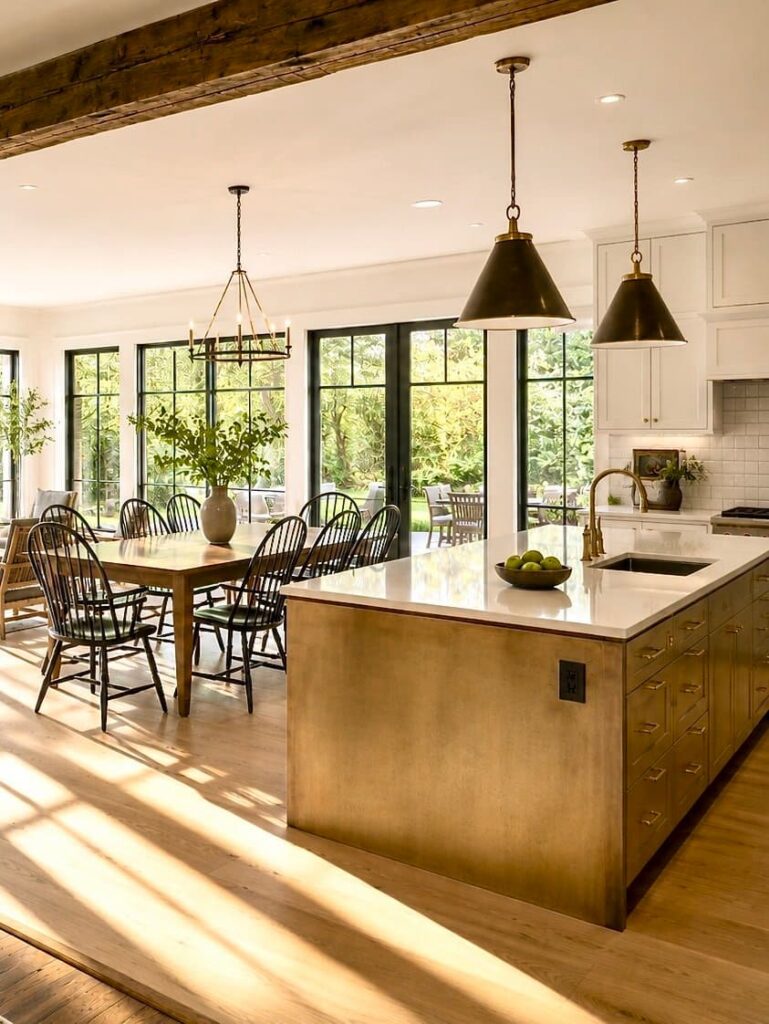
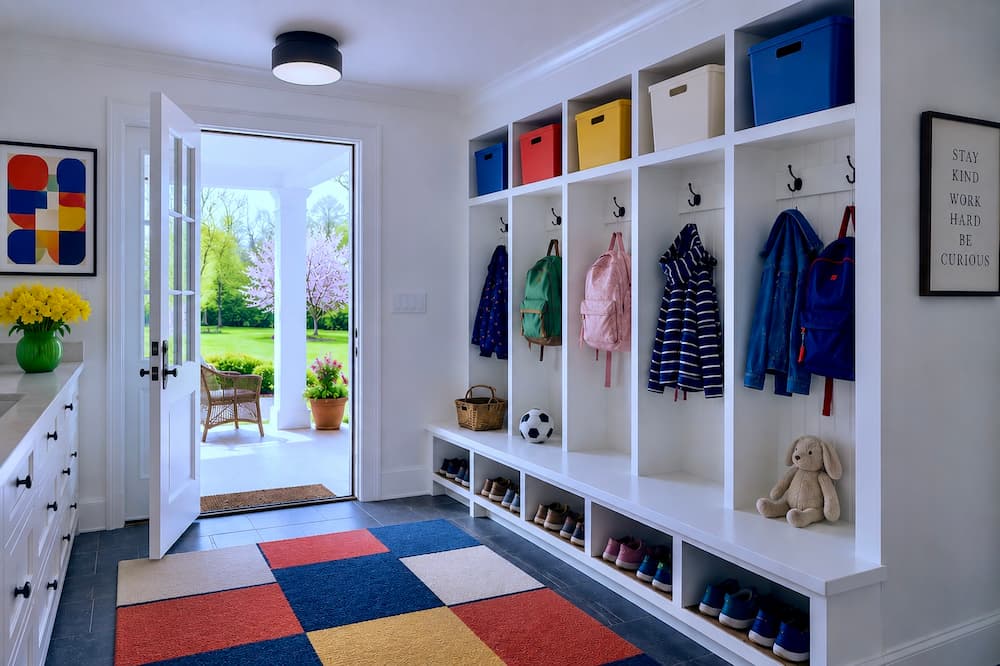
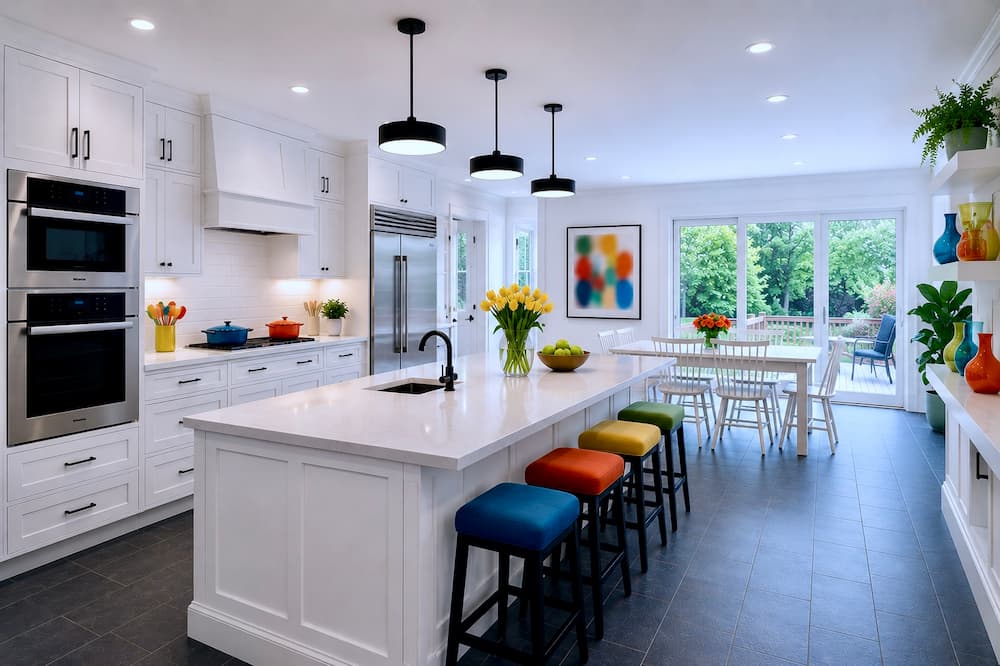
A kitchen with no eat-in space. A primary bath that can't fit a double vanity. A mudroom that's really just a door. A dining room where the table pushes against the wall. A bedroom that needs a sitting area or a real closet.

The trigger is usually a renovation that reveals the room can't work without a few more feet.

A Brief History of the Bump-Out Addition

Bump-out additions aren't new. They've been a common renovation strategy in American housing for nearly a century.

In the 1940s and 1950s, homeowners used them to expand kitchens that were built for smaller households. By the 1980s and 1990s, the same approach was being used for primary baths. Older homes weren't built with double vanities or walk-in showers in mind. The bump-out gave homeowners room for the layout people now expect.

That history matters here. Most of the homes we work on weren't built yesterday. Colonials, capes, antique farmhouses, and older homes were sized for a different era of living. Kitchens were closed off. Bathrooms were small. Mudrooms didn't exist as a category.

The bump-out is how you adapt those rooms without rebuilding the house around them.

Bump-Out Additions in Fairfield County

In tight-lot Fairfield County towns, bump-out additions do some of their most important work.

Setbacks and lot coverage in Westport, Greenwich, Darien, New Canaan, Fairfield, Norwalk, and parts of Wilton and Ridgefield can rule out a large addition entirely. A full addition might push past the allowable footprint. A cantilevered bump-out that doesn't extend the foundation to grade often counts differently under local zoning.

In some cases, it's the only addition the lot will allow.

That's not a small distinction. It's the difference between not adding space and adding exactly the space you need. We've spent enough time in front of local building departments to know how each town reads its code, and we plan bump-outs around that reality from the start.

Bump-Out Additions in Litchfield County

Litchfield County is a different equation. The answer is often the same.

The homes we work on in Washington, Kent, New Milford, Roxbury, Sharon, Litchfield, and Woodbury tend to be older. Antique colonials. Eighteenth and nineteenth century farmhouses. Converted barns. Greek Revivals. The rooms inside them were sized for a different century.

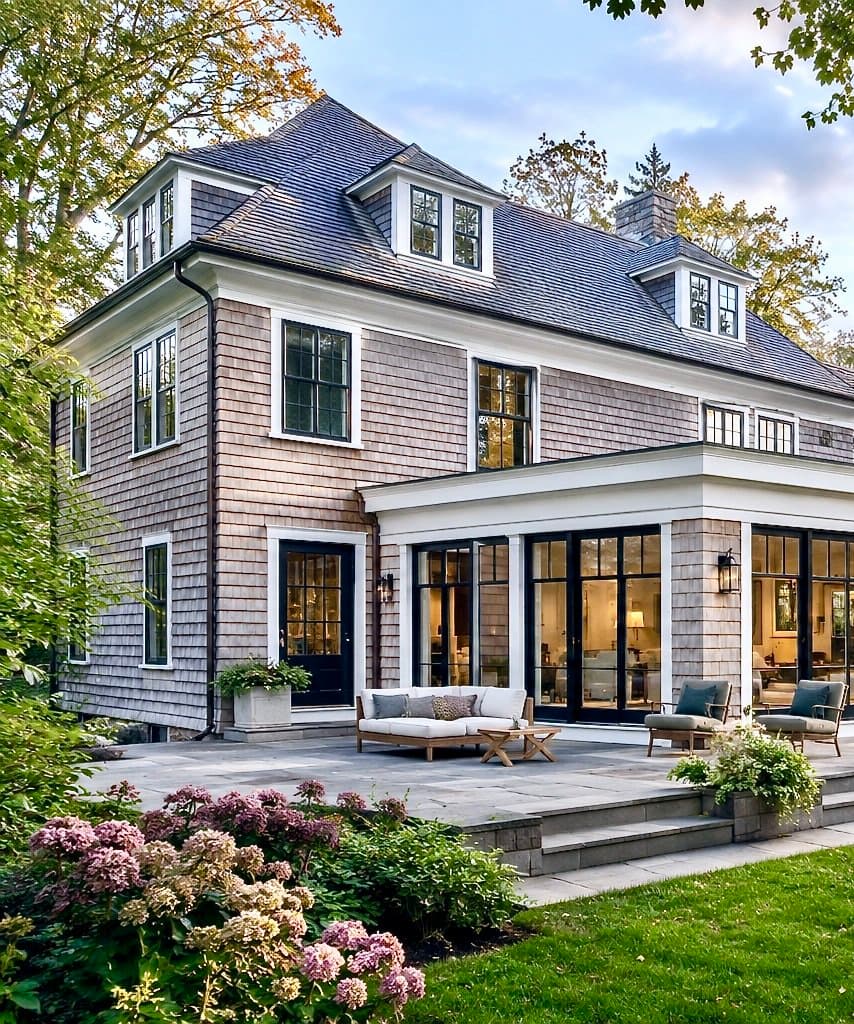
A bump-out brings those rooms into the present without touching the parts of the house that give it character. The front elevation doesn't change. The original footprint stays intact. We're solving one room at the back or side of the house. The rest of the building stays exactly as it is.

In towns with historic district commissions, that matters. A small, rear-facing bump-out is far more likely to be approved than a project that changes the home's public face.

Bump-Out Additions in Northern Westchester
Property Management & Estate Caretaking Services

We also work across the state line in Northern Westchester. Bedford, Pound Ridge, North Salem, Lewisboro, South Salem, Katonah, and Cross River.

The constraints here are similar to Fairfield County's. Often more pronounced. Wetlands setbacks. Conservation easements. Steep-slope ordinances. Building envelopes that are smaller than the lot looks.

Many of these properties look like they have room for any addition you can imagine. Then you map the actual buildable area. For those properties, a bump-out is sometimes the only addition that fits the regulatory envelope.

This is the case we make to homeowners who've been told a larger addition isn't possible. It's often not. The right bump-out usually is.

Cantilevered and Foundation Bump-Out Additions
Seasonal Maintenance for Northern Westchester Homes

There are two ways to build a bump-out addition. The difference shapes the project. Cost, timeline, permitting, and how invasive it is.

A cantilevered bump-out extends the room outward without a new foundation. The new floor is supported by extending and reinforcing the existing joists. The new space hangs off the side of the house. This works for projections up to about three or four feet. No excavation. No new footings. The rest of the house stays untouched.

A foundation-supported bump-out is what you need when the projection is larger than the joists can carry. It requires footings, a foundation wall, and a new floor system. It's a bigger project. Closer in scope to a small addition. Still meaningfully less invasive than expanding the full house.

We walk through this decision early. Most kitchen and bath bump-outs are cantilevered. Most family room and bedroom extensions need a foundation. The right answer depends on the room, the depth you need, and what's underneath.
How Disruptive Is a Bump-Out Addition?

This is the question we get most. It's the right one to ask.

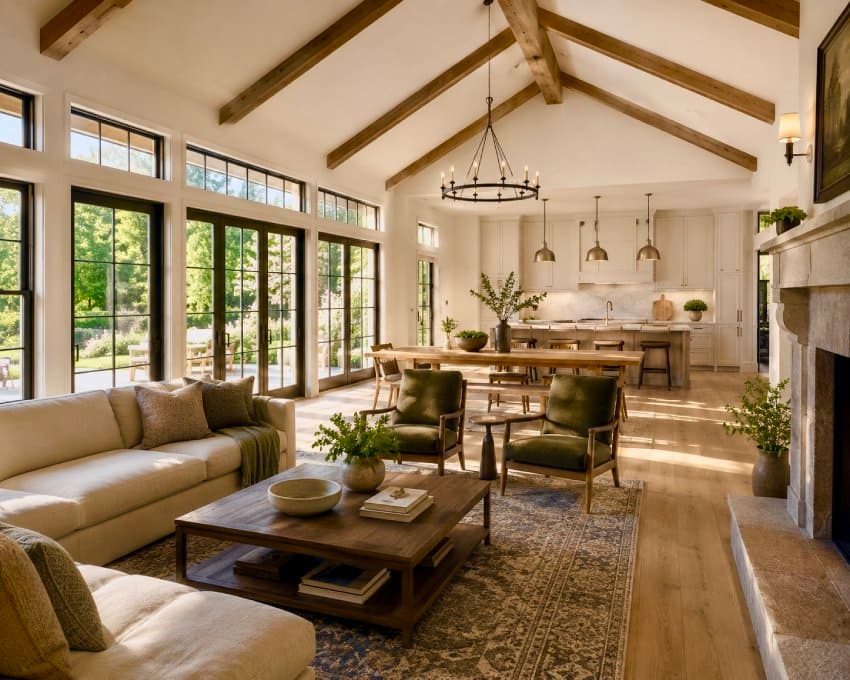
A bump-out addition is meaningfully less disruptive than a full addition. You're working on one room. The rest of the house stays livable for most of the project. The exterior tie-in happens at one wall, not three. Demolition is contained to a single space.

Timelines are shorter. Most bump-outs we build run six to twelve weeks of active construction. A full addition runs four to nine months.

Total project cost is much lower because the project itself is much smaller. For most homeowners, that's the point.

A Community-Driven Approach to Bump-Out Additions
Rowe Construction is based here. Our founder, Connor Rowe, grew up in Ridgefield. The company was built to serve homeowners across Fairfield County, Litchfield County, and Northern Westchester. For projects this size, local context matters. We know which towns review bump-outs quickly and which ones don't. We know how the historic commissions in Washington and Litchfield read setback applications. We know how Bedford reads wetlands buffers. We've worked in front of these boards before.
Clients value
Dormers The Most Efficient Move
Permitting, Zoning, and Setbacks for Bump-Out Additions

Bump-out additions in our region come with real constraints. Zoning setbacks, lot coverage limits, wetlands buffers, and in many towns, historic district or floodplain considerations.

Because bump-outs are small, the permitting question is often more interesting than for a full addition. A few feet in one direction might be allowed by right. A few feet in another might trigger a variance. A cantilevered projection might count differently than a foundation-supported one. We map all of this before drawings start.

We handle the coordination with local building departments, zoning boards of appeal, and where required, historic commissions and wetlands agencies. That includes working with architects and engineers to make sure plans are aligned with what the town will actually approve.

The goal is to move the project forward without delays or surprises.

FAQs

Frequently Asked Questions About Bump-Out Additions

  • How much does a bump-out addition cost compared to a full home addition?

    Total project cost is much lower because the project is much smaller. Cost per square foot can be higher than a large addition, since design, permitting, and tie-in work get spread across less square footage. For most homeowners, the lower total cost is the point.

  • Do I need a permit for a bump-out addition in Connecticut or New York?

    Yes. Bump-out additions require building permits in every town we work in across Fairfield County, Litchfield County, and Northern Westchester. Many also require zoning review. We handle that process.

  • Will a bump-out addition require a new foundation?

    Not always. Cantilevered bump-outs up to about three or four feet don't require new foundation work. Larger bump-outs need footings and a foundation wall. We evaluate this early.

  • How long does a bump-out addition take to build?

    Most projects run six to twelve weeks of active construction. Permitting and design add time before that.

  • Can I live in the house during a bump-out addition project?

    Most homeowners do. The work is contained to one room. There are days that are loud and dusty. It's not a whole-house construction site.

  • Will the bump-out addition match the existing house?

    That's the standard. Roofline, siding, window proportions, and trim need to read as original. Inside, the transition should be invisible.

  • Can a bump-out addition be done if a full addition won't fit my lot's zoning?

    Often, yes. This is one of the most common reasons clients in Fairfield County and Northern Westchester come to us. Cantilevered bump-out additions sometimes fit zoning rules that a full addition won't. We confirm this against your specific lot before any design work begins.

Thinking About a Bump-Out Addition?

Most people don't start with a full plan. They start with a sense that one room isn't working.

That's enough.

We walk the home, look at the room, check it against your lot's setback and coverage situation, and tell you what's possible. Sometimes that's a cantilevered bump-out. Sometimes it's a foundation-supported one. Sometimes the right answer is a layout change inside the existing footprint. We'll tell you that too.