
The Cape Cod, Reconsidered
The Cape Cod house was never designed to impress. It was designed to last, low to the ground, steep-roofed, symmetrical by instinct. Three centuries later, it remains the dominant vernacular of Connecticut's residential landscape, and for good reason: the form is nearly impossible to get wrong from the outside. The challenge has always been what happens within.
For growing families in Ridgefield, Wilton, New Canaan, and Kent, the original Cape floor plan, compact, compartmentalized, built for a different era, rarely meets the demands of contemporary life without intervention. The question is not whether to remodel, but how to do it without compromising what makes the house worth keeping.
"A Cape Cod is not a constraint; it's a starting point. The proportions are already right. Our job is to work within them, not against them."
Dormers: The Most Efficient Move
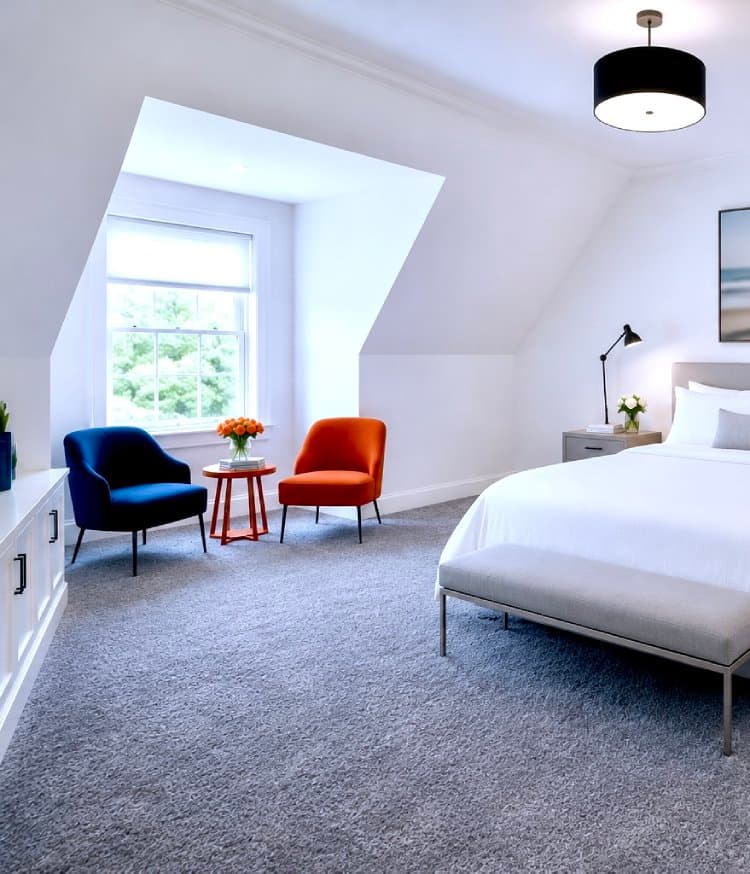
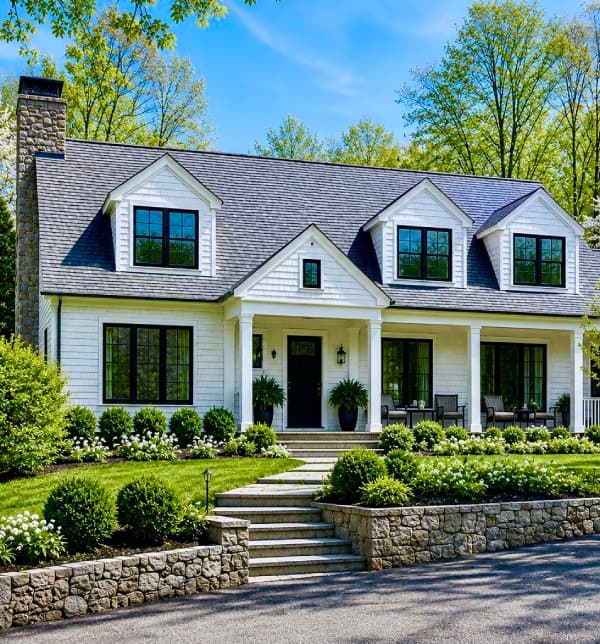
No single intervention returns more livable space per dollar than a well-executed dormer. The Cape's upper story, pinched by the roofline, short on headroom, dark, is where most renovations begin. Paired gable dormers restore the home's symmetry while opening the second floor to light; a shed dormer across the rear roofline converts what was attic space into a full bedroom level with genuine ceiling heights and usable corners. The difference between a dormer that belongs and one that doesn't is entirely a matter of proportion and craft.
"The dormer that works is the one that looks like it was always there. That takes patience, and it takes knowing the house before you touch it."
Opening the Interior
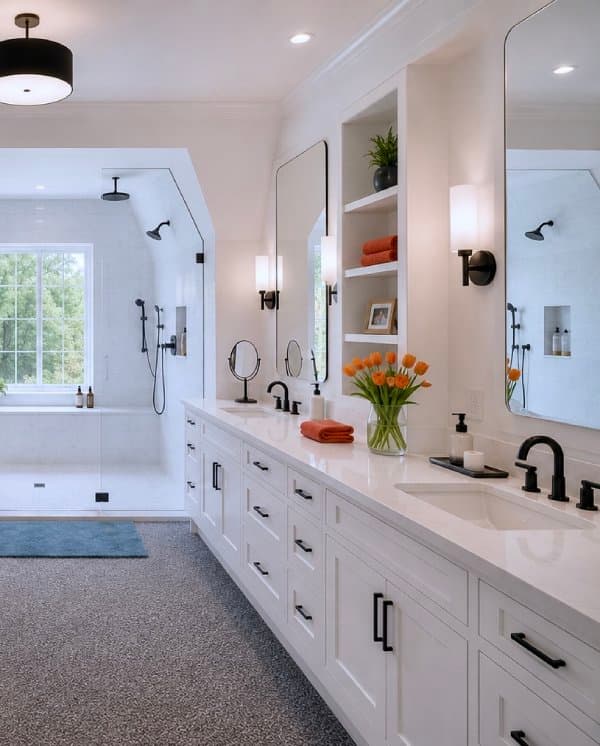
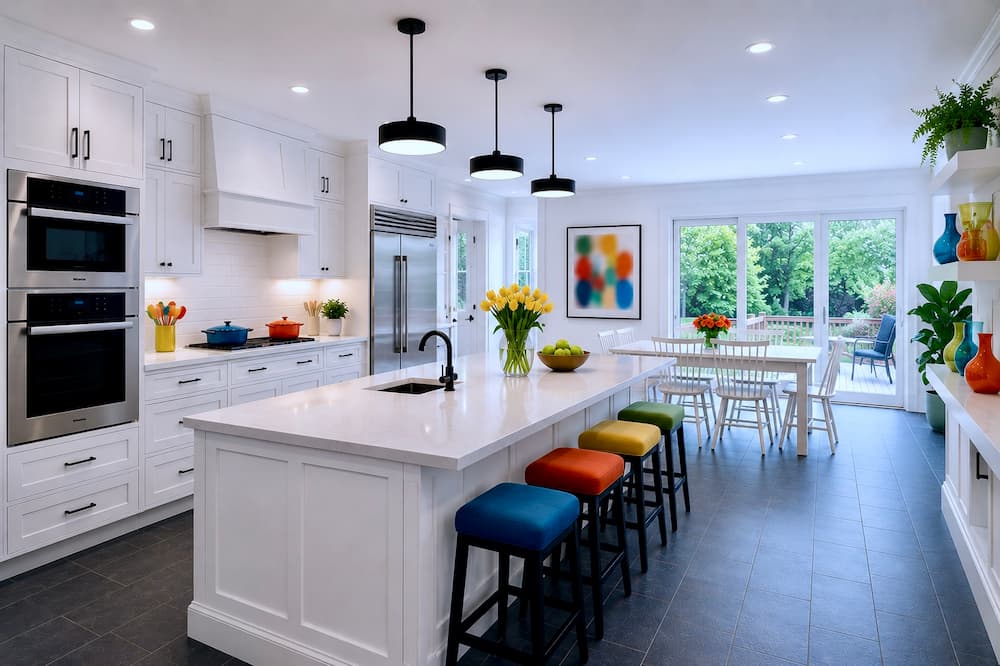
The traditional Cape was built around compartmentalized rooms, a practical response to colonial heating, not to family life as it is actually lived. Removing the walls between kitchen, dining, and living areas is the most consistent request Rowe receives, and the most transformative result. Done correctly, it is not simply a larger room; it is a different relationship between the people in it.
The best open-plan renovations preserve spatial definition through changes in ceiling height, flooring material, or a well-placed island, not walls. Enlarged rear windows and sliding or French doors complete the work, drawing the yard into the interior equation and extending usable living space beyond the structure itself.
The Rear Addition: More Room, Same House
When square footage is the priority, the rear addition is the correct answer. Expanding toward the back of the property leaves the Cape's street-facing facade untouched, the centered entry, the shuttered windows, and the roofline that reads correctly from the road, while delivering a primary suite, an expanded kitchen, or a family room behind it. The addition that succeeds is the one that vanishes: matched siding, continuous floor levels, aligned ceiling planes. Five years later, the seam should be invisible.
"In five years, you shouldn't be able to tell where the original house ended. That invisibility is the measure of the work."
The Smaller Details That Matter Most
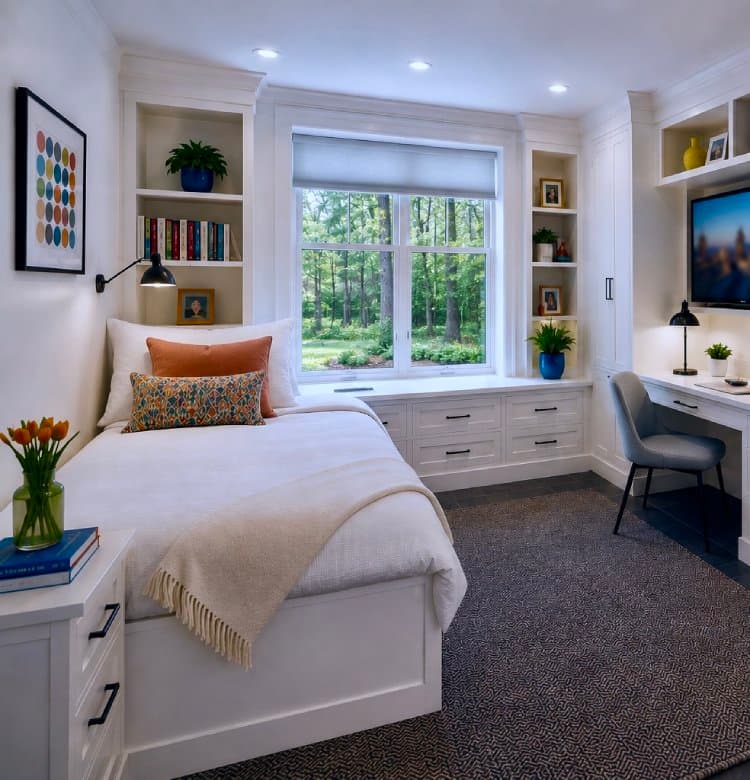
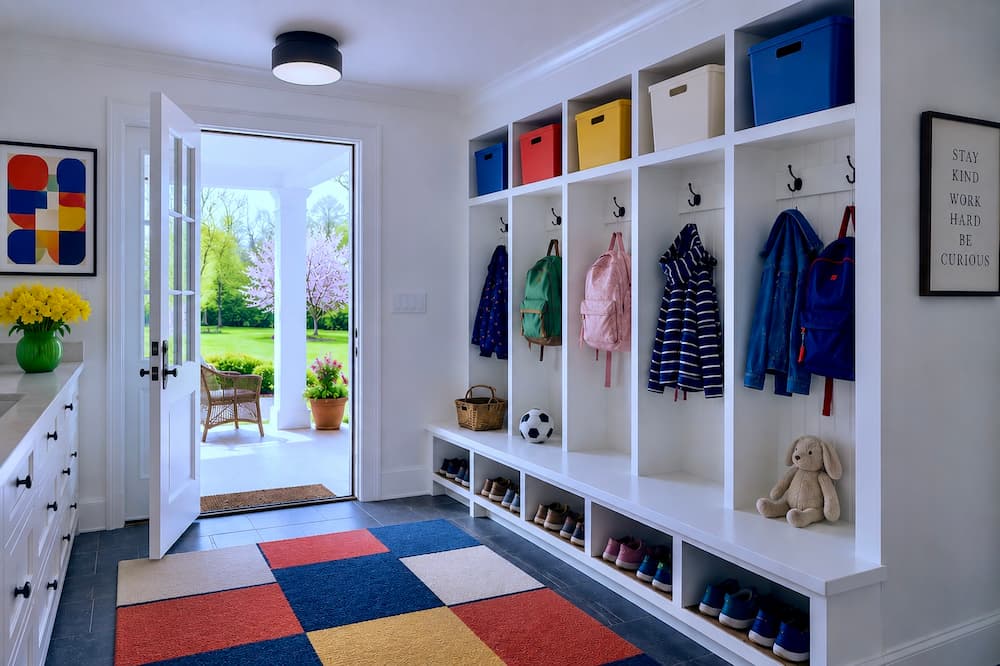
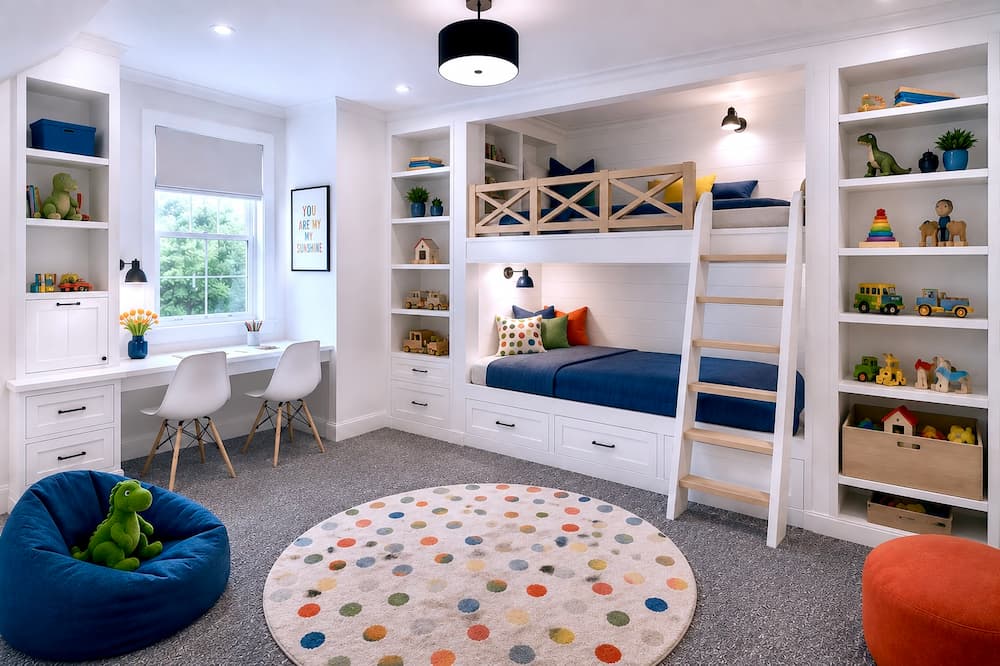
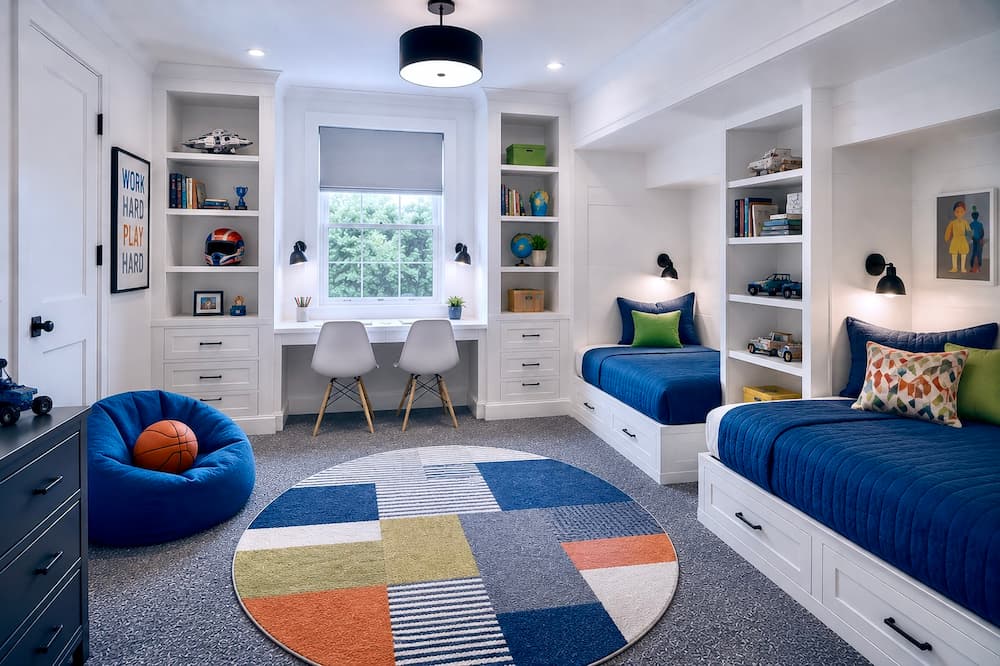
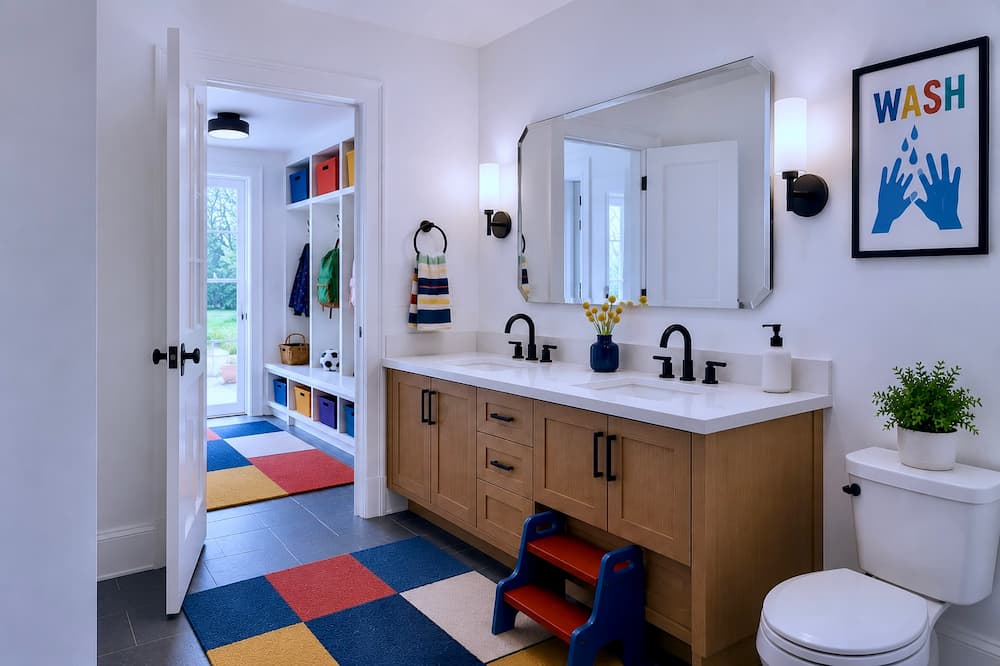
A serious mudroom, purpose-built, not improvised from a hallway, is among the highest-return additions available to a Connecticut family. Knee walls that would otherwise be dead space become built-in storage: shelving, window seats, and drawers. On the exterior, fiber-cement siding engineered to replicate weathered cedar provides the aesthetic of tradition with superior longevity. Energy-efficient double-hung windows with divided lights preserve the Cape's character at the glass while cutting heating and cooling costs year-round.
These are not afterthoughts. They are the details that determine whether a renovation performs as well in year ten as it does on the day the work is complete, and whether the house, once remodeled, feels finished or merely updated.
The Cape Cod was built for the long term. When it is remodeled with the same intention, with materials chosen for durability, spaces planned for how families actually live, and craftsmanship applied to every seam and transition, it does not simply improve. It fulfills what it always had the potential to become.
Start the Conversation
Your Cape. Built Forward
Rowe Construction serves homeowners in Ridgefield, New Canaan, Wilton, Westport, Bethel, Kent, Litchfield, and surrounding communities across Fairfield and Litchfield, Connecticut.