
In-Law Suites & Multigenerational Additions in Fairfield County, Litchfield County & Northern Westchester
An in-law suite is the answer when family moves in and everyone still needs their own space. A parent who's getting older. An adult child coming home. A live-in caregiver who needs to be close but not on top of you. The goal is the same in every case: keep everyone together, and keep everyone's privacy intact.
From Ridgefield and Wilton to New Canaan, Westport, Fairfield, Washington, Kent, Bedford, and Pound Ridge, we help homeowners across Fairfield County, Litchfield County, and Northern Westchester add a suite that works for both generations — without turning the house into a place neither of them enjoys.
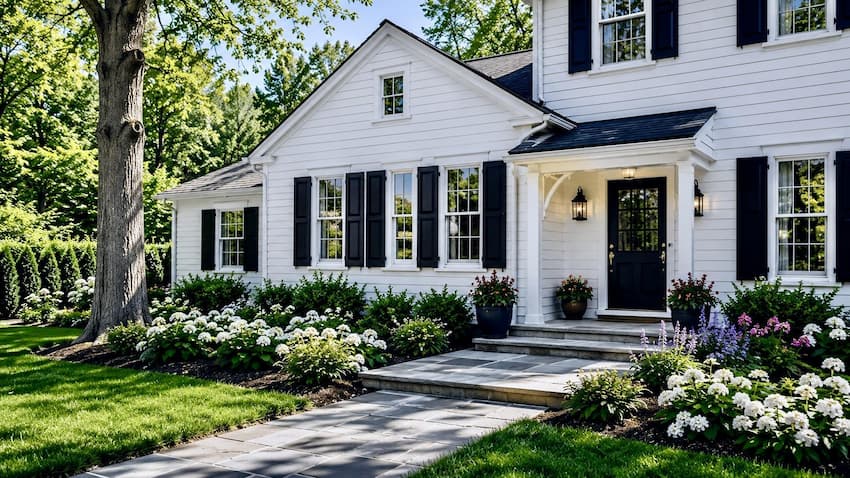
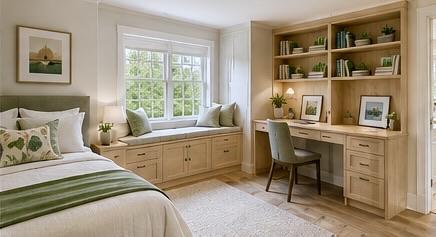
In-Law Suites & Multigenerational Additions in Fairfield County, Litchfield County & Northern Westchester
An in-law suite is a self-contained living space built into or onto the existing home. At minimum it's a bedroom, a full bath, and a sitting area. Often it's more: a private entrance, a kitchenette, a single-level layout designed for someone who shouldn't be climbing stairs.
A multigenerational addition is the larger version of the same idea — a full wing that lets two households share a house without sharing a life.
Most clients come to us at a turning point.
An aging parent moving in. The house in another state is too much, or the support needs to be closer. The suite has to be safe, accessible, and private enough that everyone keeps their independence.
An adult child returning home. School's done, or a job changed, or the math on rent stopped working. They need their own space, their own entrance, and a setup that doesn't feel like moving back into a childhood bedroom.
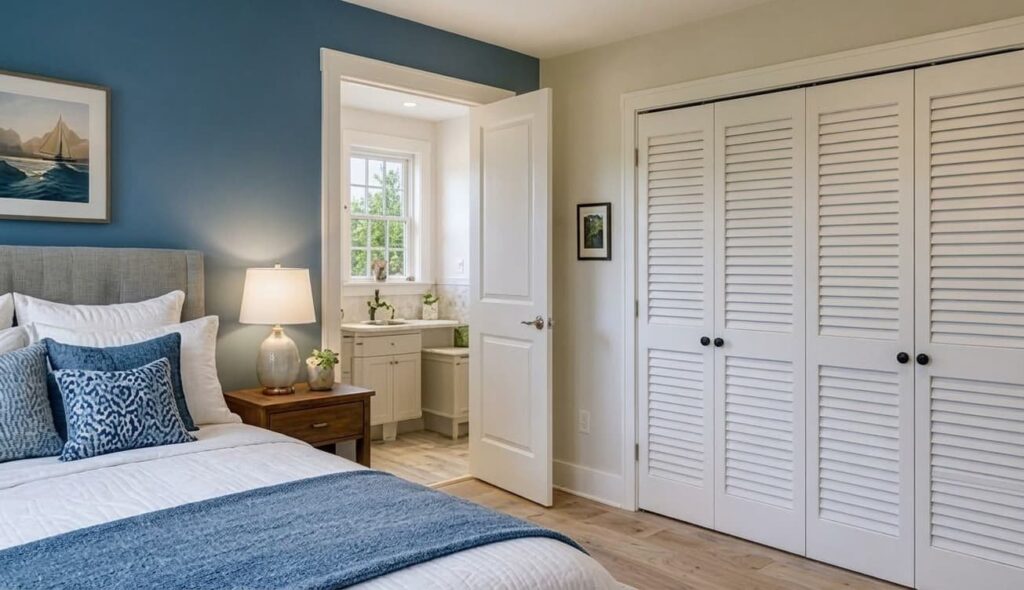
A live-in caregiver. Someone needs to be present overnight. The suite gives the caregiver a real home and the family its privacy back.
The trigger is a life change. The goal is always the same: closeness without friction.
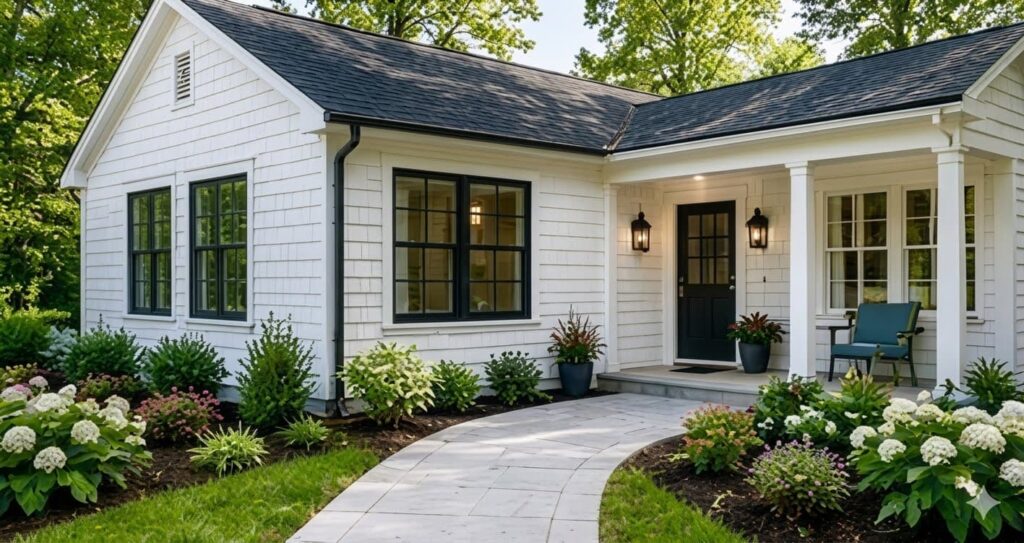
Multigenerational living isn't a trend. It's the older arrangement coming back.
For most of American history, extended families shared a house. Grandparents, parents, and children under one roof was the norm, not the exception. The single-generation household — one couple, their kids, and no one else — is a relatively recent invention, tied to the postwar suburb and the cheap, plentiful housing of the mid-twentieth century.
The "mother-in-law suite" is what survived of the older model. Even as houses got built for single families, the in-law apartment stayed on the books as a way to fold a grandparent or a returning adult back into the home.
That history is showing up again now. Aging parents, the cost of senior care, adult children priced out of their own place — the same pressures that built the multigenerational house in the first place are bringing it back. The homes we work on are well suited to it. Older colonials and farmhouses were built with the space and the bones to hold more than one generation. We're often just adapting them back to a use they were originally designed for.
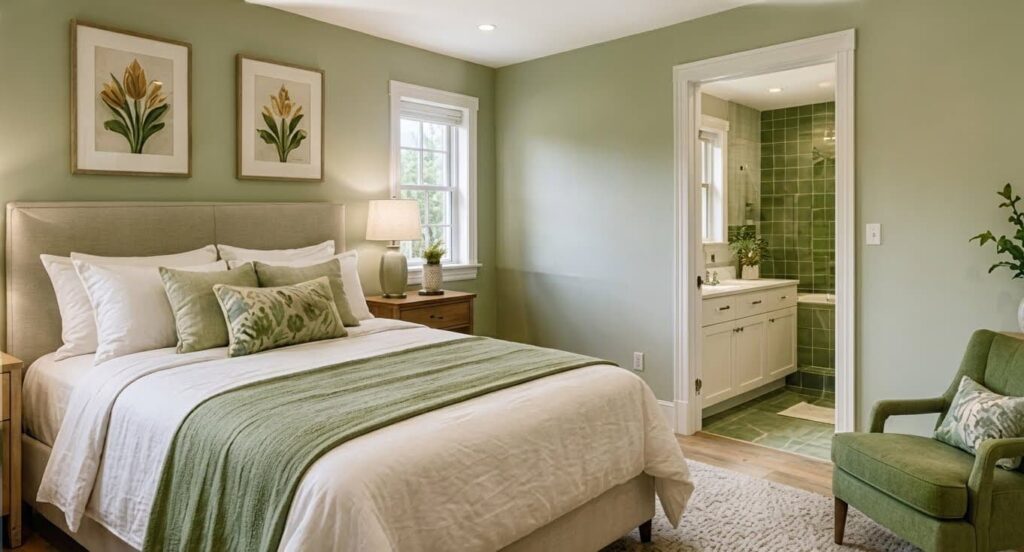
In Fairfield County, the suite itself is rarely the hard part. The zoning is.
The towns here — Westport, Greenwich, Darien, New Canaan, Fairfield, Norwalk, and parts of Wilton and Ridgefield — vary widely on what they'll allow inside a single-family home. The flashpoints are almost always the same two features: a second kitchen and a separate entrance. Add both, and many towns stop seeing a bedroom suite and start seeing a second dwelling unit, which is a different category with different rules.
Connecticut's accessory-apartment rules sit on top of this. The state's 2021 law made accessory apartments allowable as of right, but let towns opt out, and many Fairfield County towns did. The ones that opted out wrote their own ordinances — and those ordinances are exactly where the kitchen and entrance questions get answered. Some allow a full second kitchen. Some allow a kitchenette only. Some require the suite to stay internally connected to the main house.
This is not a guess-and-find-out situation. We research your town's current rules before design, so the suite we draw is one the town will actually approve.
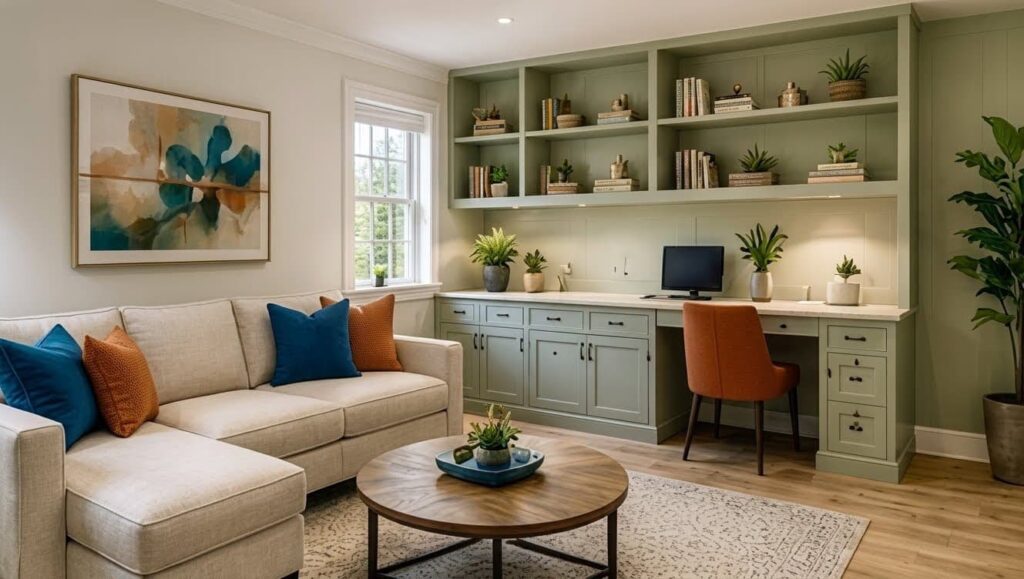
Litchfield County gives you more room to work, and the homes lend themselves to it.
The properties we work on in Washington, Kent, New Milford, Roxbury, Sharon, Litchfield, and Woodbury tend to be older and larger. Antique colonials and farmhouses often have the square footage, the ceiling height, and the wing structure to absorb a suite without the addition looking bolted on. A single-level suite off the back of an old farmhouse can read as if it was always part of the plan.
The rules here are generally more permissive than in lower Fairfield County, but they still vary town to town, and the same kitchen-and-entrance questions apply. Where a suite gets a full kitchen and a private entrance, the septic question follows close behind — a second kitchen and an added occupant can push an older system past its capacity. On a rural lot, that's worth checking before the design is set.
We map both the zoning and the systems early, so the suite fits the house, the town, and the land it sits on.
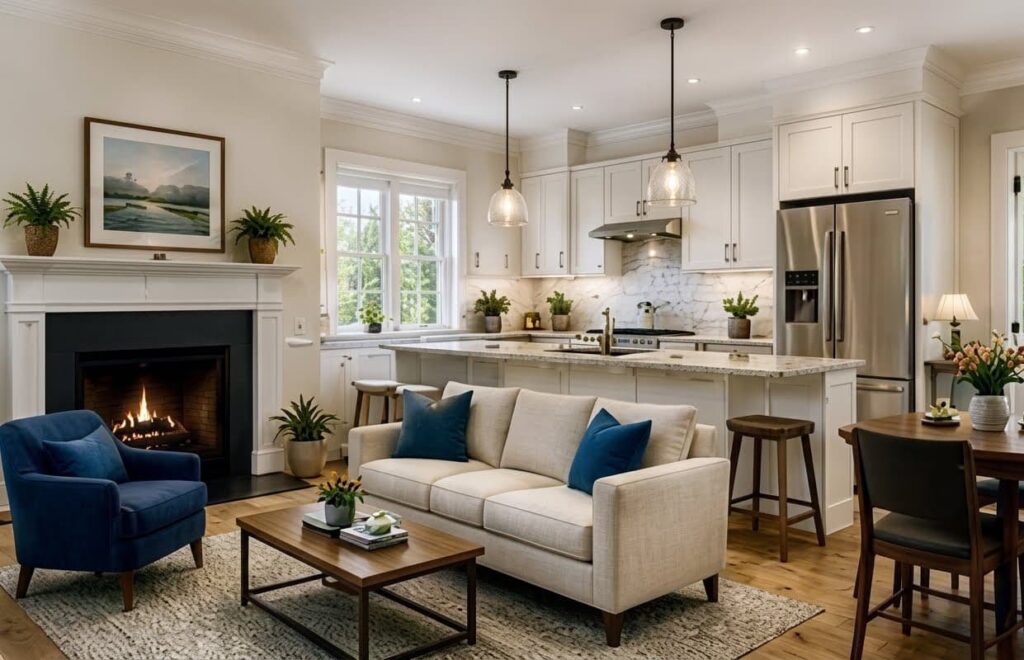
Across the state line in Northern Westchester — Bedford, Pound Ridge, North Salem, Lewisboro, South Salem, Katonah, and Cross River — accessory apartments run on New York rules, and each town has its own ordinance.
These towns regulate accessory apartments specifically, and the details differ. Bedford, Pound Ridge, and North Salem all permit them, but with their own conditions on size, occupancy, entrances, and how the apartment relates to the main house. On top of that sit the environmental rules these towns are known for — wetland buffers, steep-slope limits, and tree protection — which shape where and whether you can add square footage at all.
Septic is its own gate. An accessory apartment adds a kitchen and an occupant, and in these towns the septic and water plans typically need Westchester County Department of Health approval before a building permit will issue. Pound Ridge, for instance, requires that sign-off on the disposal and supply plans as part of the approval.
The throughline is that "what's legal here" has a different answer in every one of these towns. We've worked in front of these boards, and we do the town-by-town research before any drawings start.
Once we know what your town allows, the design comes down to a handful of decisions that shape how the suite actually lives.
Single-level and accessible.
For an aging parent, the suite should work without stairs. That means a single-level layout, or a suite on the ground floor, with the accessibility built in from the start — wider doorways, a curbless or low-threshold shower, blocking in the walls for future grab bars, and clear turning room. Designed in early, none of it reads as institutional. It just reads as a well-planned home.
Kitchen or kitchenette.
This is the most consequential choice, because it's often the one that decides how the town classifies the suite. A full kitchen offers true independence. A kitchenette — sink, counter, fridge, often no range — gives day-to-day function while keeping the suite within the rules in towns that don't permit a second full kitchen. We design to whichever your town allows.
Private entrance.
A separate entrance is what makes a suite feel like its own home instead of a guest room. Where zoning allows it, we plan it to read as part of the house, not as a second front door. Where the town requires the suite to connect internally, we design the transition so it still feels private.
Privacy for both households.
Sound separation, sightlines, and a layout that lets each side keep its own routine. The whole point of the project is that two generations can live together without living in each other's space.
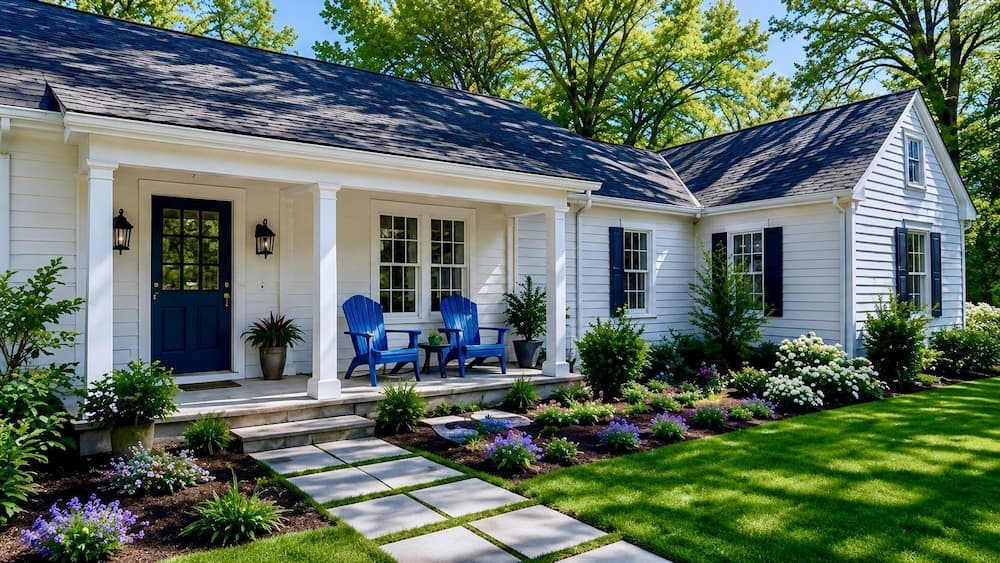
This is the central question, and the honest answer is that it depends entirely on your town.
The features that trigger zoning scrutiny are predictable: a second kitchen and a separate entrance. A suite without either usually reads as part of the single-family home. Add one or both, and many towns begin treating it as an accessory apartment or a second dwelling unit — a different category with its own rules.
In Connecticut, the 2021 state law made accessory apartments allowable as of right, but towns could opt out, and many of the ones we work in did, replacing the state baseline with their own ordinances. Those local rules are where you find out whether a full kitchen, a separate entrance, and a rentable arrangement are permitted. In Northern Westchester, accessory apartments are governed town by town under New York law, each with its own conditions.
What we don't do is assume. Before you settle on a full kitchen versus a kitchenette, or a private entrance versus an internal one, we research the rules that apply to your specific lot and tell you what's permitted. Sometimes the suite you pictured is allowed outright. Sometimes a small change to the design keeps it within the rules. We sort that out before the drawings, not after the application gets kicked back.
It depends on whether you're building out or converting in.
A converted suite — turning an existing wing, a finished basement, or an attached garage into a suite — is contained to that part of the house, and the rest of the home usually stays livable throughout. An added suite, built as a new wing or extension, involves a foundation tie-in and an exterior connection, which is more involved but still concentrated on one side of the house.
Either way, the disruption is bounded. You're not gut-renovating the whole home. The mess and the noise stay in the project zone.
Timelines vary with scope. A straightforward converted suite can run a couple of months of active construction. A full multigenerational wing with its own systems takes longer. Permitting and design come first, and on a project where the zoning question is central, that front-end work is time well spent. We give you a real schedule once we know what we're building.
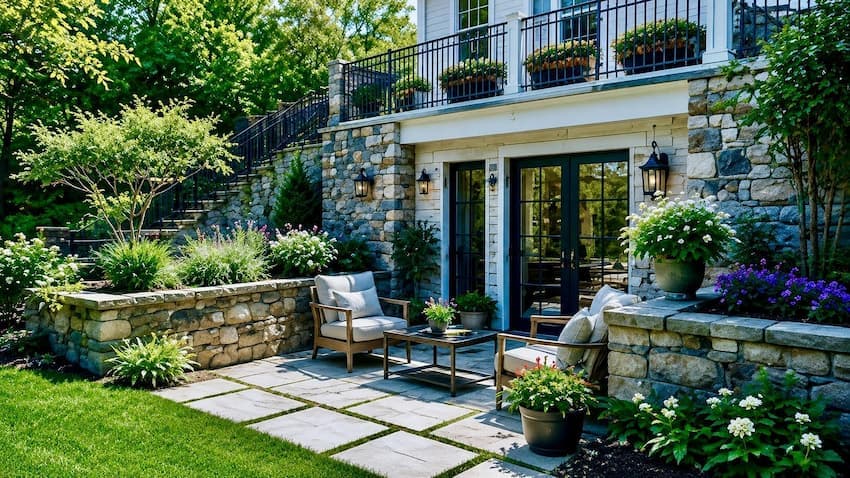
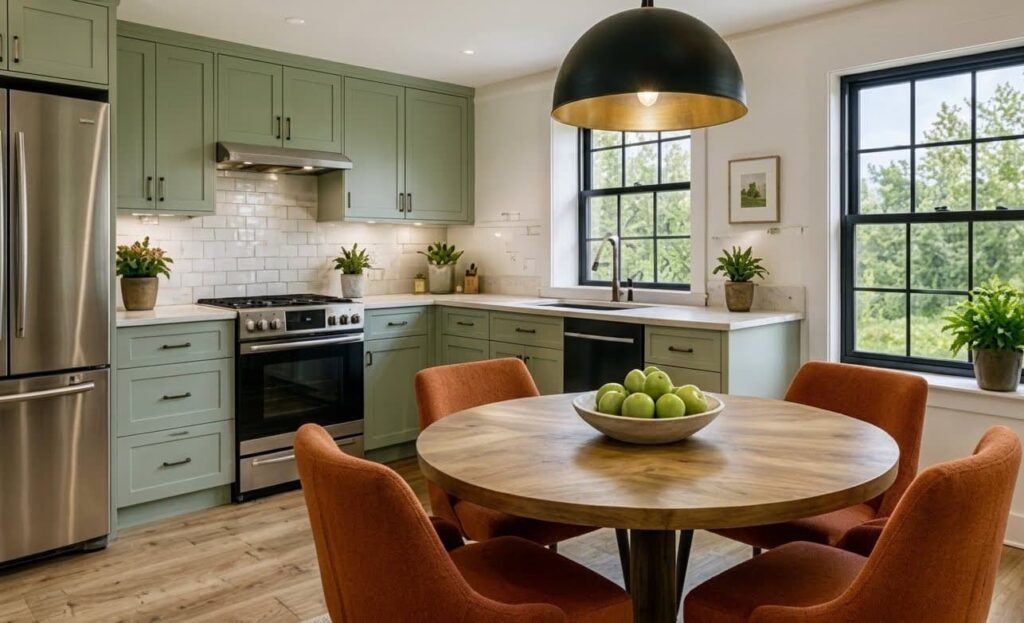
Rowe Construction is based here. Our founder, Connor Rowe, grew up in Ridgefield. The company was built to serve homeowners across Fairfield County, Litchfield County, and Northern Westchester.
For in-law suites, the local knowledge is the project. The rules on second kitchens, separate entrances, and accessory apartments are written differently in every town, and they decide what you can build. We know which Fairfield County towns opted out of the state accessory-apartment law and what they put in its place. We know how Litchfield County towns and health departments handle a second kitchen on an older septic system. We know how Bedford, Pound Ridge, and North Salem write their accessory-apartment ordinances.
Clients value:
Direct communication. You know where things stand. A focused workload. We take on a limited number of projects. Full-service coordination. Zoning research, planning, permitting, and construction handled as one process.
In-law suites sit squarely on top of a town's most specific residential rules. Accessory-apartment ordinances, second-kitchen and entrance limits, occupancy rules, setbacks, lot coverage, and — where a kitchen and an occupant are added — septic capacity and county health review.
Because the legal status of the suite turns on a few design features, the permitting question is often more nuanced than for a straightforward addition. The same suite might be allowed by right with a kitchenette and an internal connection, and require a variance with a full kitchen and a separate entrance. We map all of this against your specific lot before drawings begin.
We handle the coordination with local building departments, zoning boards, and where required, health departments and wetlands agencies, along with the architects and engineers whose work the town needs to see. The goal is to land on a design the town will approve the first time, and to move it forward without delays or surprises.
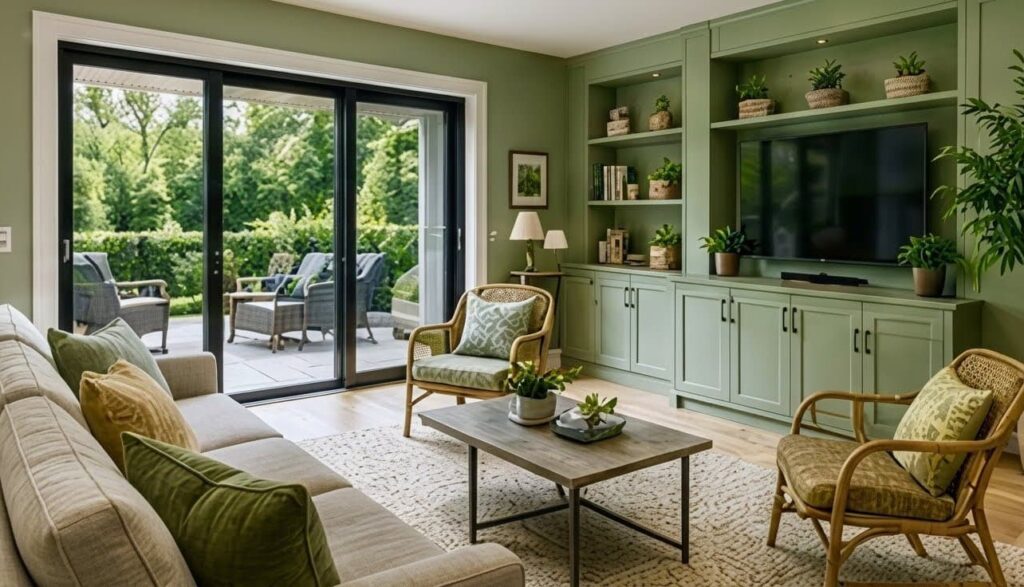
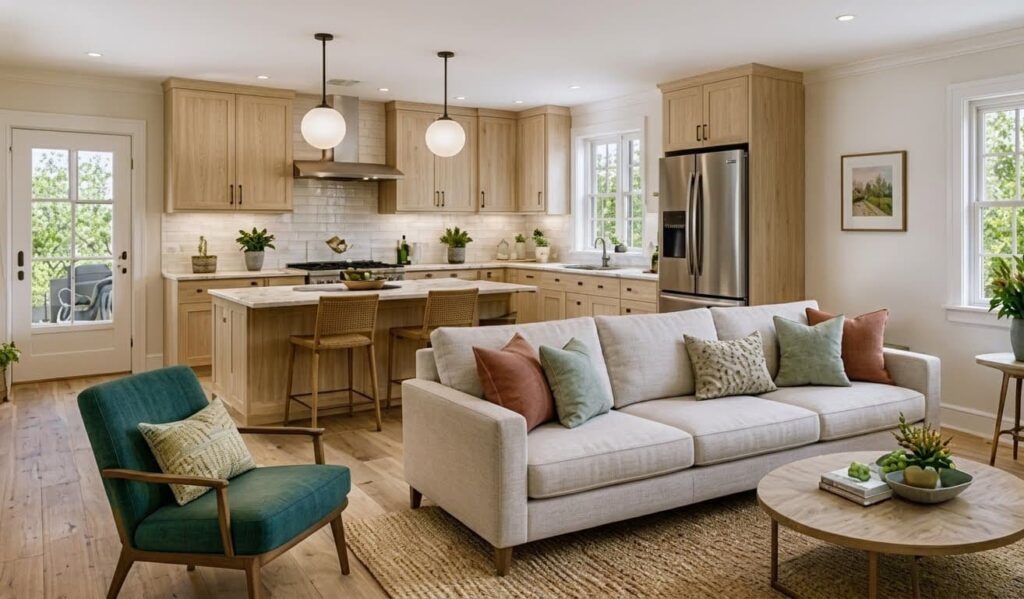
Most people don't start with a full plan. They start with a person — a parent, an adult child, a caregiver — and a sense that the house needs to make room.
That's enough.
We walk the home, talk through who's moving in and what they need, and check it against your town's accessory-apartment rules and your lot's setbacks and septic situation. Then we tell you what's possible. Sometimes that's a full suite with its own kitchen and entrance. Sometimes the rules point to a kitchenette and an internal connection. Sometimes a converted wing is the cleaner answer than a new one. We'll tell you that too.
FAQs
Frequently Asked Questions About In-Law Suites & Multigenerational Additions
-
Is an in-law suite legal in my town?
It depends on the town. The features that trigger zoning rules are a second kitchen and a separate entrance — a suite without either usually counts as part of the single-family home. Connecticut's 2021 law made accessory apartments allowable as of right, but many local towns opted out and wrote their own ordinances. In Northern Westchester, accessory apartments are governed town by town under New York law. We research the rules for your specific lot before any design work begins.
-
Can an in-law suite have its own entrance?
In many towns, yes — but it's one of the features that can change how the suite is classified. Where a separate entrance is allowed, we design it to read as part of the house. Where the town requires the suite to connect internally to the main home, we plan the transition so it still feels private.
-
Can the suite have a full kitchen, or only a kitchenette?
This varies by town and is often the single rule that decides how the suite is classified. Some towns allow a full second kitchen; others permit a kitchenette only; some require the suite to share the main kitchen. We design to whatever your town allows.
-
Can the suite be single-level and accessible?
Yes, and for an aging parent it usually should be. We design the suite on one level with accessibility built in from the start — wider doorways, a low-threshold or curbless shower, wall blocking for future grab bars, and clear turning room. Done early, it looks like a well-planned home, not a medical space.
-
Will an in-law suite require septic or health department review?
If the suite adds a kitchen and an occupant, it can. A second kitchen and an added resident increase the load on the system, and in much of Litchfield County and Northern Westchester the septic and water plans need county health department approval before a permit issues. We evaluate this early.
-
How long does an in-law suite take to build?
It varies with scope. A converted suite — an existing wing, basement, or attached garage — can run a couple of months of active construction. A new multigenerational wing with its own systems takes longer. Permitting and design come first, especially where the zoning question is central.
-
Can I rent out the in-law suite later?
Sometimes, where local rules allow it. Whether a suite can be rented, and to whom, depends on your town's accessory-apartment ordinance — some permit rental, some restrict occupancy, some require owner-occupancy of the main house. We can tell you what your town allows before you build, so the suite is designed with that in mind.
-
Will the addition match the existing house?
That's the standard. Rooflines, siding, window proportions, and trim should read as original to the home, whether the suite is a converted wing or a new addition. Inside, the transition between the two households should feel intentional, not improvised.
Ready to Expand What Your Home Can Do?
We take on a limited number of projects each year. The conversation costs nothing, and it begins with a single phone call.